A Neighborhood Electric Vehicle offers a practical way to rethink short urban trips. It is designed for nearby streets, local errands, and slower community travel. Unlike a conventional car, it usually uses less energy and creates no tailpipe emissions during operation. That difference becomes noticeable beside a quiet park, a school entrance, or a crowded neighborhood shop.
For many drivers, the appeal is simple. A compact electric vehicle can fit into smaller parking spaces and feel easier to maneuver. Charging overnight may cover regular daily travel, depending on battery size, weather, terrain, and driving habits. Owners should check local speed limits, equipment requirements, insurance rules, and road access before purchasing. These details vary widely. A dealer, transportation agency, or qualified technician can provide more dependable guidance than advertising alone.
The strongest choice depends on real routines, not novelty. Measure the distance between home, work, grocery stores, and charging points. Consider winter performance, passenger needs, cargo space, maintenance support, and battery replacement costs. A short test drive can reveal awkward visibility or limited comfort. That matters. My own first impression might favor quiet acceleration, yet a family may value weather protection more. Neighborhood vehicles are not perfect substitutes for every car. They may feel vulnerable near faster traffic, and their limited range can require planning. Still, when matched with suitable streets and honest expectations, a Neighborhood Electric Vehicle can make local transportation cleaner, calmer, and more efficient. The decision deserves evidence, not enthusiasm alone.
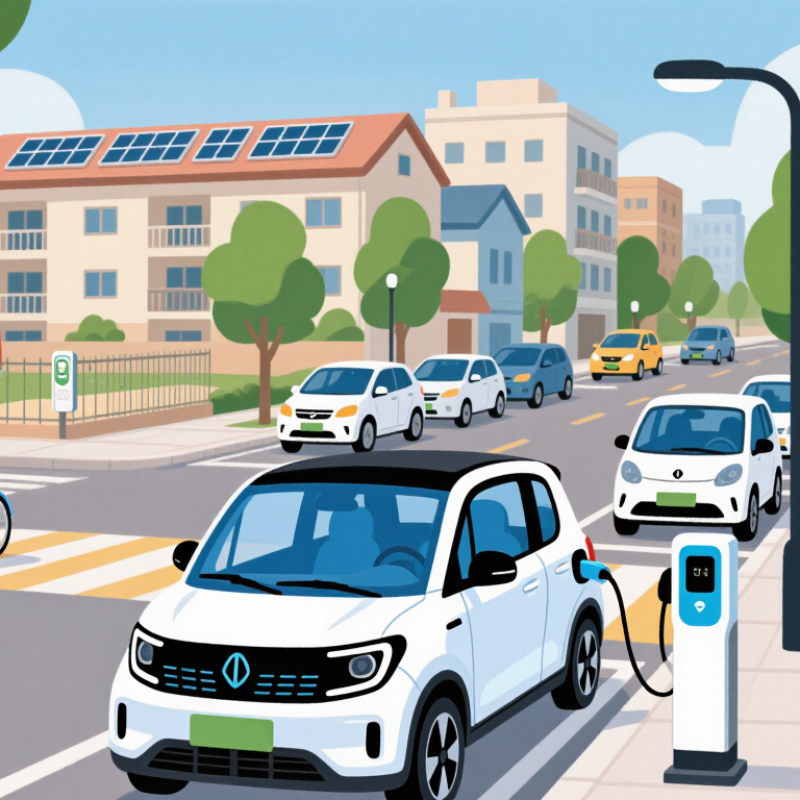
A neighborhood electric vehicle (NEV) is a compact, battery-powered vehicle designed for short, local trips. It usually travels at lower speeds than a full-size car. Its typical setting is a residential area, campus, retirement community, or nearby shopping district. Local rules define where it can operate, so drivers should check road and registration requirements before using one.
The vehicle uses an electric motor, rechargeable battery, steering wheel, seats, lights, and safety equipment. Many models can carry passengers, groceries, or small work tools. Short trips matter. A quiet motor can make a morning ride less disruptive, especially near homes and schools. Charging may be simple when a suitable outlet is available, but battery size, weather, hills, and passenger weight affect driving distance. Range is not everything. Real-world use often feels different from a specification sheet.
In daily planning, an NEV works best when destinations are close and charging time is predictable. It may not replace a conventional car for highways, long journeys, or heavy loads. That limitation is easy to overlook. A careful owner measures regular routes, checks parking access, and keeps basic safety equipment in good condition. Some people also discover that rain, cold mornings, or steep streets change their expectations. That is useful feedback, not a failure. The right choice depends on local roads, driving habits, and practical charging access.
| Dimension | Typical Information | Why It Matters |
|---|---|---|
| Definition | A neighborhood electric vehicle (NEV) is a small, battery-powered vehicle designed for short-distance, lower-speed travel in residential areas and local communities. | It is intended to complement, rather than replace, a full-size passenger vehicle for nearby trips. |
| Typical Maximum Speed | Approximately 25 mph (40 km/h) for the low-speed vehicle category used in the United States. | The lower speed is suitable for local streets but can restrict use on higher-speed roads. |
| Typical Seating | Common configurations provide seating for two to six occupants, depending on vehicle design. | Different layouts can support individual commuting, family errands, or short community trips. |
| Driving Range | Many NEVs are designed for roughly 30–80 miles (48–129 km) per charge, although the actual range varies by battery, load, terrain, temperature, and speed. | This range is generally sufficient for routine neighborhood travel and short daily commutes. |
| Charging | Charging can usually be completed at home using suitable household electrical equipment; charging time depends on battery capacity and charger output. | Home charging can reduce dependence on public charging stations for local use. |
| Energy Use | A smaller vehicle generally requires less energy to move than a larger electric passenger vehicle, but electricity consumption varies by design and operating conditions. | Lower energy demand can help reduce operating costs and local environmental impact. |
| Common Uses | Neighborhood errands, school drop-offs where permitted, local commuting, residential community travel, and short trips to shops or services. | NEVs are most practical when daily destinations are close and travel speeds are moderate. |
| Operating Cost | Electric drivetrains have fewer moving parts than conventional internal-combustion drivetrains, which may reduce routine maintenance needs; tires, brakes, batteries, and other components still require service. | Lower maintenance complexity can be beneficial for frequent short-distance travel. |
| Environmental Considerations | NEVs produce no tailpipe emissions while driving, although total environmental impact also depends on electricity generation, battery production, vehicle size, and service life. | They can help reduce local exhaust emissions and noise during neighborhood travel. |
| Road Restrictions | Because of their speed and equipment classification, NEVs may be prohibited from roads with posted speed limits above certain thresholds. Rules vary by country, state, and municipality. | Local traffic regulations should be checked before purchase or use. |
| Safety Equipment | Depending on the legal category and jurisdiction, required equipment may include seat belts, headlights, turn signals, mirrors, windshield wipers, and other safety features. | Occupants should use seat belts and follow all local registration, licensing, and insurance requirements. |
| Best Fit | People who make frequent short trips, have access to home charging, and mostly travel on roads where the vehicle is legally permitted. | An NEV can be a practical second vehicle when compact size, simple charging, and low-speed mobility are priorities. |
Note: Specifications, legal classifications, registration requirements, and road-access rules differ by jurisdiction and vehicle type. Always verify local requirements before driving an NEV.
It is a compact, battery-powered vehicle for short local trips. It suits residential streets, campuses, retirement communities, and nearby shops. Short trips only.
A rechargeable battery sends power to an electric motor. A controller responds when the driver presses the accelerator. The motor turns the wheels quietly and smoothly.
It may operate on approved local roads and private areas. Rules vary by location, registration status, and road type. Check official local guidance before driving.
Range depends on battery age, weather, hills, speed, and passenger weight. Cold mornings and steep streets can reduce distance quickly. The displayed range may be optimistic.
Charge through a suitable household outlet or dedicated charging point. Keep charging equipment dry and free from visible damage. Check the battery level before leaving home.
It may handle errands, short commutes, and nearby shopping trips. It is less suitable for highways, long journeys, or heavy loads. That limitation is easy to overlook.
Test the brakes, lights, tires, and seat belts regularly. Avoid carrying more weight than the vehicle allows. Keep basic safety equipment in good condition.
Try a hill, a tight turn, and a complete stop. Notice visibility, seating comfort, braking, and acceleration. A short test can reveal practical problems.
A quiet motor may be harder for pedestrians to hear. Slow down near driveways, corners, children, and cyclists. Quiet does not mean risk-free.
Rain, cold weather, steep streets, and extra passengers can affect performance. Measure regular routes instead of trusting specifications alone. Real use can feel different.
A Neighborhood Electric Vehicle is a compact, low-speed electric vehicle designed for short trips within residential areas, campuses, and local communities. Powered by rechargeable batteries and an electric motor, it offers a quiet and simple way to travel without relying on gasoline. Its small size makes it easy to maneuver and park, while its electric system can help reduce local emissions and everyday operating costs. For many people, it provides a practical alternative to walking, cycling, or using a full-size vehicle for nearby destinations.
However, a Neighborhood Electric Vehicle is not suitable for every journey. Its limited speed, driving range, passenger capacity, and storage space make it best for short-distance travel on appropriate roads. Users should understand local traffic requirements, follow posted speed limits, wear seat belts, and use proper safety equipment. This type of vehicle may be especially useful for families, older adults, businesses, and community residents who need convenient transportation for errands, commuting within a limited area, or neighborhood activities.