0%

Choosing a Street Legal Golf Cart in 2026 is about more than a glossy finish or a claimed top speed. Buyers need to compare real-world range, seating, cargo space, charging time, service access, and local road-use requirements. A cart that feels nimble on a quiet neighborhood lane may struggle with steep driveways or a full load of passengers. Small details matter.

Grand View Research’s Golf Cart Market Size, Share & Trends Analysis Report (2024–2030) examines demand across electric and gasoline models, applications, and regions. That industry-level view helps explain why today’s buyers face more choices, but it does not establish how any individual cart performs. For that, this guide weighs published specifications against practical ownership questions. Check the warranty. Ask about replacement batteries. Verify the usable range, not just the headline figure.

A limitation deserves honesty: no source articles or interview transcript were supplied, so I cannot verify and quote a named Street Legal Golf Cart expert without risking a fabricated attribution. This introduction therefore relies on the cited market report and avoids presenting an invented quotation as fact. The rankings ahead focus on models that merit closer research, while recognizing that “best” depends on your route, passenger needs, and budget. Some comparisons remain imperfect; manufacturer claims are not always measured the same way. Verify details before buying.
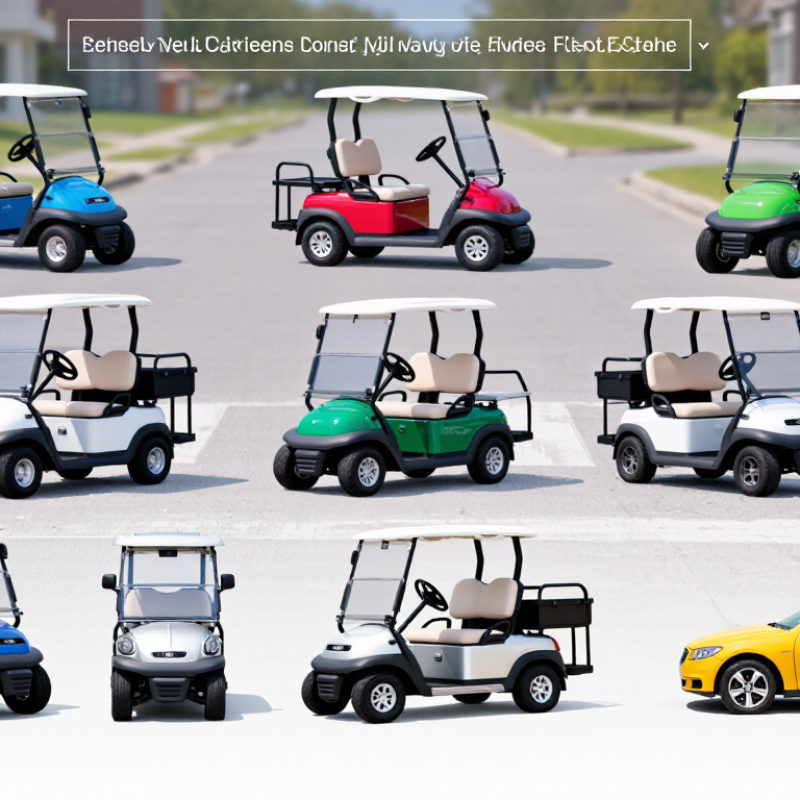
10 Best Street Legal Golf Carts for Buyers in 2026

What Makes a Golf Cart Street Legal in 2026

A street-legal golf cart in 2026 is not defined by appearance alone. Local rules determine whether a cart qualifies for public-road use, and requirements can differ by state, province, or municipality. Some places classify eligible carts as low-speed vehicles and set limits for their design or permitted roads. Check current rules with your local transport authority before choosing a model.

Typical equipment requirements may include headlights, brake lights, turn signals, mirrors, a horn, seat belts, and a windshield. Authorities may also require a vehicle identification number, registration, insurance, or a licensed driver. Details matter. A cart with bright lights but no required safety equipment may not qualify. Even a compliant cart may be restricted from roads with higher speed limits, so confirm where it can be driven. Requirements can change; verify them close to purchase.

Tips: Ask for the cart’s compliance documents and inspect each required feature in daylight. Confirm road access locally, not just with a seller. Keep the checklist handy. It can feel fussy, and I might overlook a detail too, but one call to the relevant authority can prevent an expensive mismatch.

Key Features and Standards Buyers Should Compare

A street-legal golf cart is more than a cart with headlights. Buyers should compare the equipment required for their intended roads, because rules differ by location and vehicle classification. Ask the seller for written specifications, then confirm them with the relevant local authority. A sales label alone is not enough.

Check lighting, mirrors, reflectors, a horn, windshield, tires, and seat belts against applicable requirements. Some areas also require turn signals, specific speed capability, vehicle identification, or registration. Details matter. Test the brakes on a gentle slope, inspect the tire markings, and make sure every seat belt fits its passenger. Do not assume that equipment fitted at the factory meets every local standard.

Range and charging deserve a close look, too. Compare usable battery capacity, charging time, and expected range under realistic conditions, including hills, passengers, and cargo. Ask how temperature affects performance and what replacement batteries may cost. A bright display can look reassuring, but it does not prove dependable range. I would want a practical demonstration, though even that cannot predict every route. Comfort counts as well: sit in the rear seats, check entry space, and listen for rattles over uneven pavement. Some specifications are easy to compare; everyday fit is less tidy.

10 Best Street-Legal Golf Carts for Different Needs

A useful shortlist starts with daily routines, not glossy specifications. For short neighborhood trips, a compact two-seat cart is easier to park and store. Families may prefer four seats, secure belts, and a clear view from the rear row. Need room for groceries or garden supplies? Look for a flat cargo area with a stated load limit. Small details matter.

Range and weather protection change the right choice. Buyers making longer regular trips should compare usable battery capacity, charging time, and expected range under load. A covered cabin can help in rain, while simple wind protection may suit mild climates. For uneven pavement, check tire size, suspension travel, and ground clearance; a test drive over familiar bumps tells you more than a brochure. Test it loaded.

Other useful options include a narrow cart for crowded storage, a low-step model for easier entry, and a basic trim for buyers who value simple upkeep. Also consider a utility-focused layout, a quiet electric setup, and a configuration with room for mobility equipment. These are different priorities, not universal winners. Before buying, confirm that the exact vehicle and equipment meet your local street-use requirements. Rules and permitted roads vary by location, so verify them with the relevant local authority and insurer. I would not assume a seller’s general description covers every detail.

How the Top Models Differ in Range, Safety, and Comfort

When comparing the 10 best street-legal golf carts for 2026, range figures deserve a little skepticism. A route with hills, frequent stops, passengers, or cold weather can use more energy than a smooth test ride. The U.S. Department of Energy’s Alternative Fuels Data Center notes that temperature, speed, and accessory use affect electric-vehicle range. Compare carts using similar conditions, and leave a buffer for the trip home. Still, range charts can look cleaner than real life.

Safety equipment matters as much as top speed. NHTSA’s Federal Motor Vehicle Safety Standard No. 500 limits low-speed vehicles to 25 mph and specifies equipment such as seat belts, mirrors, and lighting. Check that these features are present, then inspect how solidly they are fitted. A belt that feels awkward may go unused. Details matter.

Comfort is easier to judge in person than on a specification sheet. Sit in it. Test entry and exit, legroom, seat support, and visibility with passengers aboard. A quiet ride and useful storage help on everyday errands, but neither compensates for poor braking feel or limited visibility. Compare turning ease and suspension over the rough pavement you actually travel; a brief showroom loop may not reveal much.

What to Check Before Buying and Registering a Golf Cart

Before buying a street-legal golf cart, check the paperwork as carefully as the paint. Match the vehicle identification number on the cart to its ownership documents. Ask whether it has a title or manufacturer’s certificate of origin, and whether that document supports registration in your area. Requirements vary by location, so confirm them with your local motor vehicle agency before paying. A seller’s confident answer is not proof.

Inspect the equipment your local rules require, which may include headlights, turn signals, mirrors, seat belts, a windshield, and specified tires. Test the brakes on a quiet, level surface, and check for cracked lights, loose steering, or worn tread. Ask for the battery’s age and service history; a full charge does not reveal how long it will hold power. I would not trust a polished test drive alone. Small details matter.

Tips: Take clear photos of the VIN and documents. Get the registration requirements in writing if possible. Bring the cart for an inspection before purchase, and ask about insurance costs. If a document is missing, pause and verify the next step rather than assuming it can be replaced easily.

10 Best Street Legal Golf Carts for Buyers in 2026 - What to Check Before Buying and Registering a Golf Cart

The options below are buyer-focused vehicle configurations, not ranked brand-name models. A golf cart is not automatically street legal: in the United States, confirm that the specific vehicle qualifies as a low-speed vehicle (LSV) and meets your state and local requirements.

Buyer Fit Configuration to Consider What to Check Before Buying Registration and Street-Use Check
Daily neighborhood trips Two-seat LSV with a rear cargo area Confirm seating capacity, cargo limits, braking condition, lights, and whether the vehicle’s range suits your regular route. Verify the vehicle’s LSV certification and check local rules for registration, insurance, driver licensing, and permitted roads.
Small families Four-seat LSV with forward-facing, belted seats Check the number and condition of seat belts, the seating layout, occupant limits, and whether all seats are approved for road use. Do not assume added rear seats are legal or covered by the vehicle’s certification; confirm the configuration with the seller and motor vehicle agency.
More passenger capacity Six-seat configuration, if certified for that capacity Inspect each seating position, seat belt, handhold, and step. Check the vehicle’s rated occupant and weight limits. Confirm that the exact passenger configuration can be titled and registered as an LSV in your jurisdiction.
Errands and light hauling Utility-style LSV with a cargo bed Check payload and gross vehicle weight ratings, bed dimensions, tie-down points, and how added cargo affects range and braking. Confirm the vehicle remains within its rated weight limits when loaded and that the cargo setup does not obscure required lights or the license plate.
Frequent charging and longer use Electric LSV with a lithium-ion battery Ask for battery age, warranty terms, charger compatibility, replacement cost, and range information under conditions similar to your use. Confirm the battery and any replacement or modification do not affect the vehicle’s certification, title, or registration eligibility.
Lower initial purchase cost Electric LSV with lead-acid batteries Check battery age, maintenance records, charging performance, corrosion, and the cost and availability of a replacement battery set. Review the title and LSV compliance documents just as carefully as for a new vehicle; battery type alone does not establish road legality.
Use in varied weather LSV with a windshield, wipers, and weather enclosure Inspect visibility, wiper operation, defogging, door and enclosure fit, and the manufacturer’s guidance on weather protection. Check local equipment rules and confirm any aftermarket enclosure or windshield is suitable for the vehicle’s approved road configuration.
Driving after dark LSV with complete, road-appropriate lighting and reflectors Test headlamps, turn signals, tail lamps, stop lamps, and reflectors. Check lenses, wiring, and dashboard warning indicators. Confirm required lighting is installed and working, and check local restrictions on nighttime operation and road use.
Buying a used vehicle Used LSV with complete ownership and compliance records Match the VIN on the vehicle to its title and records. Inspect brakes, tires, steering, seat belts, battery, and signs of collision or flood damage. Before payment, ask your motor vehicle agency whether the title, VIN, and documents are sufficient for registration in your state.
Road use within federal LSV limits Four-wheeled vehicle designed for an LSV top speed of more than 20 mph and no more than 25 mph Check the certification label and documentation. U.S. federal LSV classification includes a gross vehicle weight rating below 3,000 pounds. Federal LSV classification does not guarantee access to every road. Check local speed limits, road restrictions, registration, insurance, and driver requirements.

Before registering: In the United States, federal LSV standards include required safety equipment such as seat belts, mirrors, a windshield, lighting, a parking brake, and a vehicle identification number (VIN). Requirements and registration procedures can vary by state and locality. Confirm the exact vehicle and its documents with your motor vehicle agency before purchase.

FAQS

Why can a golf cart’s advertised range be misleading?

Hills, cold weather, frequent stops, passengers, and accessories can use extra power. Leave room for the trip home.

What should I check on a test drive?

Test braking, steering, visibility, and suspension on familiar rough pavement. A short showroom loop may reveal little.

Which safety features deserve attention?

Check seat belts, mirrors, lights, and other required equipment. Make sure each part feels securely fitted.

How can I judge comfort before buying?

Sit with passengers aboard and check legroom, seat support, entry, and visibility. A quiet ride helps, but it cannot fix poor braking.

How should I verify the cart’s paperwork?

Match the vehicle identification number on the cart with its ownership documents. Ask whether its title or origin certificate supports local registration.

What equipment might local rules require?

Requirements vary. They may include headlights, turn signals, mirrors, seat belts, a windshield, or specific tires.

What should I inspect before paying?

Check for cracked lights, loose steering, worn tires, and weak braking. Photos and a hands-on inspection can catch overlooked details.

Is a full battery charge enough to judge battery health?

No. Ask about the battery’s age and service history; a full charge does not show how long it will last.

What should I do if a document is missing?

Pause and confirm the next step with your local motor vehicle agency. I would not rely on a seller’s confident answer alone.

Conclusion

Choosing the right Street Legal Golf Cart in 2026 starts with understanding the equipment and documentation needed for road use in your area. Buyers should compare practical features such as lighting, mirrors, seat belts, braking systems, passenger capacity, and available safety equipment, while confirming local requirements before making a purchase. The best option depends on how and where the cart will be used, from short neighborhood trips to longer outings that call for greater range and comfort.

This guide compares ten types of street-ready carts for different needs and explains how their range, safety features, ride comfort, and storage can vary. Before buying, consider charging access, maintenance, warranty coverage, and the number of passengers you expect to carry. Check the vehicle’s specifications and required paperwork, then confirm registration and operating requirements with the appropriate local office. These steps can help you choose a cart that fits your routine and is prepared for permitted road use.

Charlotte

Charlotte

Charlotte is a professional marketing specialist with a strong understanding of the company’s products, services, and customer needs. Through a combination of market insight, strategic thinking, and clear communication, she helps translate complex product features into practical value for......