Choosing among today’s Personal Golf Carts can feel surprisingly difficult. Many models look similar in showroom photographs. Their real differences appear on hills, narrow paths, and uneven lawns.
A suitable cart should match its daily purpose, not just its appearance. Consider passenger capacity, ground clearance, turning space, braking performance, and storage needs. Battery type also matters. Lithium batteries usually reduce weight and charging time, while lead-acid systems may offer a lower purchase price. However, replacement costs and maintenance can change the long-term value.
Think about your normal route. A flat neighborhood street requires different performance than a sloped private property. A cart with modest power may struggle when carrying four adults uphill. That small weakness becomes important quickly. Test the steering, pedal response, suspension, and brake feel before purchasing. Listen for unusual motor noise.
Reliable guidance should come from manufacturer specifications, experienced dealers, and qualified service professionals. Check the warranty carefully, including battery coverage and service limitations. Confirm that the cart includes practical safety equipment, such as working lights, mirrors, seat belts, and a stable parking brake. Local operating requirements may also vary, so buyers should verify current rules before using a cart beyond private property.
There is no perfect model.
Even experienced buyers can overlook charging access or storage space. I would question any recommendation based only on speed or stylish design. A dependable cart should feel predictable, comfortable, and easy to maintain after months of ordinary use. This guide examines the details that separate a convenient investment from an attractive inconvenience.
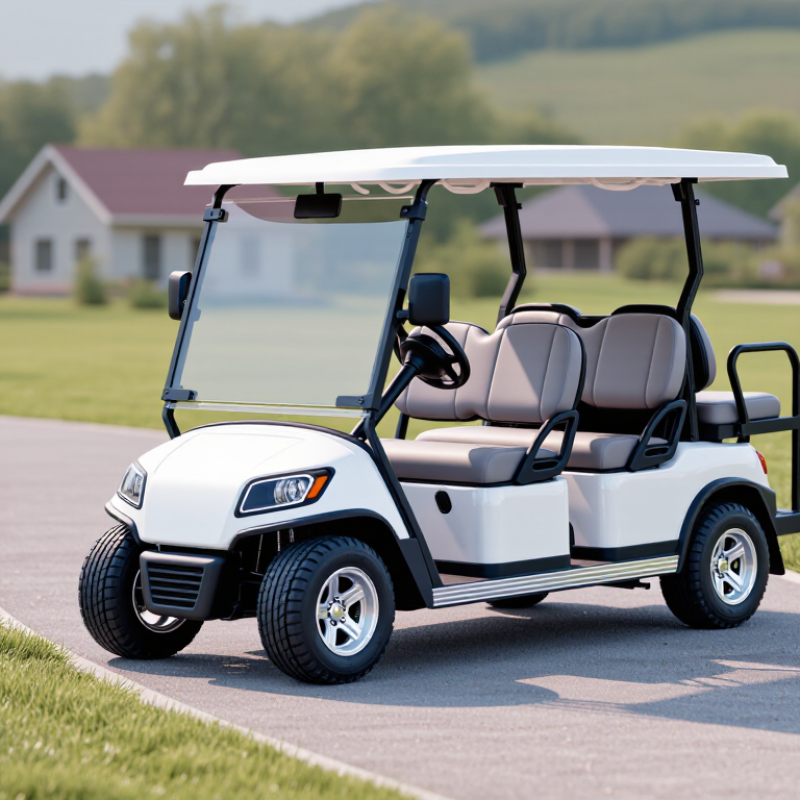
Define Your Personal Golf Cart’s Intended Use and Terrain
How to Choose the Best Personal Golf Carts?
Define your personal golf cart’s intended use before comparing features. A cart for smooth resort paths needs different equipment from one used on gravel, wet grass, or steep private roads. The National Golf Foundation reported more than 500 million golf rounds in the United States during 2023. That scale shows how varied cart conditions can become. Consider who will ride, what you will carry, and how far you travel daily. Two passengers and a small bag require less capacity than four adults, tools, and groceries. A practical estimate is useful, but it will not be perfect.
Terrain changes the decision quickly. Slopes demand responsive brakes, stable suspension, and tires with dependable tread. Soft ground may require wider tires and greater ground clearance. Smooth pavement rewards quiet operation and a smaller turning radius. The U.S. Department of Energy explains that vehicle load, speed, and temperature can affect electric energy consumption. Therefore, advertised range may shrink with hills, cold weather, or heavy cargo. Measure twice. Test the route if possible.
Tips: Walk your usual route before buying. Mark steep sections, loose stones, puddles, and narrow gates. Ask for the cart’s tested range, payload rating, braking design, and charging time. Compare those figures with your real routine, not an ideal day. I would also leave a modest range buffer. Forgetting weather and passengers is an easy mistake. Check local operating rules before using the cart beyond private property.
Compare Power Systems, Range, and Charging Requirements
Choosing the best personal golf cart starts with its power system. Battery-electric carts are quiet, clean, and suitable for short neighborhood trips. Gas-powered carts usually offer longer continuous use and faster refueling. However, they need fuel storage, engine maintenance, and regular servicing. I have found that electric models feel easier to manage during daily errands. Still, that choice can fail if charging access is limited.
Range deserves careful attention. A cart may advertise a generous distance under ideal conditions. Hills, passenger weight, tire pressure, weather, and frequent stops reduce real-world range. Measure your usual route, then add a practical safety margin. A cart traveling 25 miles on paper may provide less during a hilly afternoon. That difference matters.
Tips:
Check battery type, charging time, and replacement cost before buying. Lithium batteries often charge faster and weigh less, while lead-acid batteries may require more care. Confirm that your parking area has a safe electrical outlet and proper ventilation. Many carts need several hours to recharge fully. Avoid relying on a single daily charge if your route changes often. I once underestimated return distance and had to shorten the trip; that mistake made range planning feel far more important than advertised speed. Look for a readable charge indicator, accessible service points, and clear maintenance guidance.
Evaluate Size, Seating, Storage, and Driving Comfort
How to Choose the Best Personal Golf Carts?
Choosing the best personal golf cart starts with the space it must serve. Measure garage width, doorway clearance, and turning room before comparing features. I once underestimated a narrow gate. The cart fit, but turning it was awkward. Compact models suit small paths, while longer frames feel steadier on uneven ground. Check wheelbase and ground clearance, not just overall length. A practical measurement prevents an expensive mismatch.
Seating should match real passengers, not an imagined weekend crowd. Two seats provide easier steering and more rear storage. Four seats improve flexibility, but they add length and weight. Test the rear step and seat height in person. Can an older passenger climb aboard without twisting? Storage deserves equal attention. Look for a deep under-seat compartment, secure glovebox, and front basket. The opening may feel surprisingly narrow. Not always.
Driving comfort depends on more than a soft seat. Sit with both hands on the wheel and check knee room, pedal position, and sightlines. A quiet motor helps conversation, but predictable acceleration matters more on slopes. Test the turning circle and braking response at low speed. On rough paths, notice vibration through the steering column. Adjustable mirrors and a firm backrest can reduce strain. Weather protection, headlights, and a clear instrument panel also help during longer trips. I find that a short test drive reveals flaws that specifications hide. Take your time.
Review Safety Features, Legal Requirements, and Build Quality
Choosing a personal golf cart requires more than checking its appearance. During a test drive, I look for firm braking, predictable steering, and stable movement over uneven ground. A cart should stop without pulling sideways. The frame should feel solid, with no unusual rattling near the suspension or battery compartment. Inspect welds, tires, seat mounts, lights, mirrors, and the parking brake. Small defects can become expensive safety problems later. Build quality matters most when carrying passengers or climbing slopes.
Legal requirements differ by location and road type. Some areas require headlights, brake lights, reflectors, turn signals, mirrors, seat belts, or a slow-speed certification. Registration, insurance, driver age, and approved routes may also apply. Never assume a cart designed for private property can use public roads. Check your local transport authority before buying. Rules can change. I once underestimated this step, and it made the purchase less convenient than expected.
Tips: Test the cart with its usual passenger load. Ask for battery specifications, charging instructions, maintenance records, and warranty terms. Confirm the charger matches the battery system. Examine the floor after rain for slippery surfaces. Avoid models with vague safety claims or missing technical documents. A careful inspection may feel slow, but replacing a weak brake system or damaged battery costs far more. Leave room for doubt, especially when a seller pressures you to decide immediately.
Balance Purchase Price, Maintenance Costs, and Long-Term Value
Choosing the best personal golf cart starts with more than the sticker price. A cheaper cart may hide aging batteries, worn brakes, or cracked tires. Ask for maintenance records, then inspect the battery compartment for corrosion and loose cables. Test the charger, lights, steering, and parking brake before discussing payment.
Battery replacement can become the largest ownership expense. Lead-acid batteries cost less initially, but they need regular watering and cleaning. Lithium systems often cost more upfront and may reduce routine maintenance. Still, the warranty terms, charger compatibility, and replacement price deserve careful attention. A low-maintenance design is not automatically the best value.
Think in five-year costs, not showroom excitement. Include insurance, storage, charging electricity, tires, service labor, and likely repairs. An independent technician can identify problems that a short test drive misses. I once underestimated battery wear because the cart accelerated smoothly; the replacement bill changed my calculation. That mistake taught me to compare condition, service history, and resale demand together. The perfect choice may not exist. Choose the cart whose total cost matches your actual driving habits, terrain, passenger needs, and available maintenance time.
How to Choose the Best Personal Golf Carts? - Balance Purchase Price, Maintenance Costs, and Long-Term Value
Planning estimates are shown in U.S. dollars for personal ownership. Actual costs vary by local taxes, terrain, usage, storage conditions, utility rates, and whether installation or customization is required.
FAQS
Electric carts are quiet, clean, and convenient for short neighborhood trips. Gas-powered carts usually run longer and refuel faster. Electric may be a poor choice without reliable charging access.
Measure your normal route and add a safety margin. Hills, passengers, low tire pressure, weather, and frequent stops reduce range. A claimed 25-mile range may feel much shorter on a hilly afternoon.
Check the battery type, charging time, expected life, and replacement cost. Lithium batteries often weigh less and charge faster. Lead-acid batteries may need watering and regular cleaning.
Confirm a safe electrical outlet near your parking area. Follow the charging instructions and keep the area properly ventilated. Several hours may be needed for a full charge.
Test the brakes, steering, lights, mirrors, tires, seat mounts, and parking brake. The cart should stop without pulling sideways. Listen for rattling near the suspension or battery compartment.
Requirements vary by location and road type. Headlights, brake lights, reflectors, mirrors, signals, seat belts, registration, insurance, or route approval may apply. Check the local transport authority before buying.
Request maintenance records and inspect the battery compartment for corrosion or loose cables. Test the charger, lights, steering, tires, and brakes. A smooth test drive can still hide battery wear.
Estimate five-year costs, including charging, storage, insurance, tires, repairs, labor, and battery replacement. An independent technician may find problems you miss. My first cost estimate was too optimistic.
Conclusion
Choosing the best Personal Golf Carts starts with understanding how and where you plan to use one. Consider whether it will mainly serve short trips on smooth paths, transportation around a large property, or regular driving over hills and uneven terrain. Compare electric and fuel-powered systems by examining performance, expected range, charging or refueling needs, operating noise, and convenience. You should also select a suitable size, seating arrangement, and storage capacity while making sure the driving position, controls, and suspension provide lasting comfort.
Safety and build quality are equally important. Look for dependable brakes, lights, seat belts, mirrors, stable handling, and protective construction. Before purchasing, confirm that the vehicle meets the rules for your intended location and use. Finally, evaluate more than the initial price by considering routine maintenance, battery or fuel expenses, replacement parts, durability, and resale potential. A slightly higher upfront investment may offer better reliability and lower long-term costs, making the cart a more practical and satisfying choice.