Explore our specialized manufacturing catalog, featuring custom ergonomic designs, high-torque steering frameworks, integrated controls, and heavy-duty chassis integration for global fleet & vehicle OEMs.
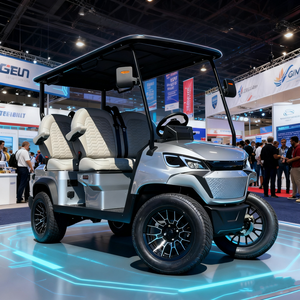
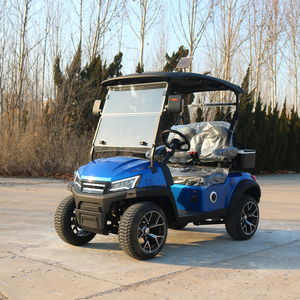
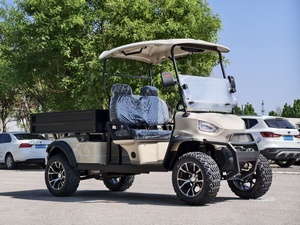
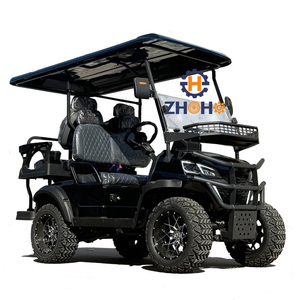
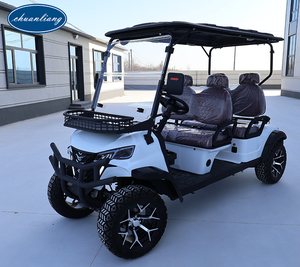
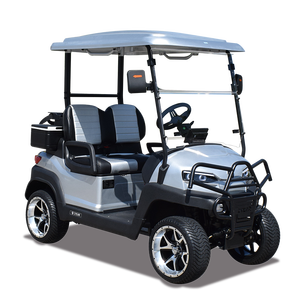
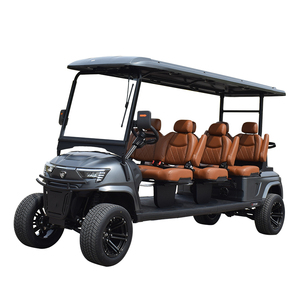
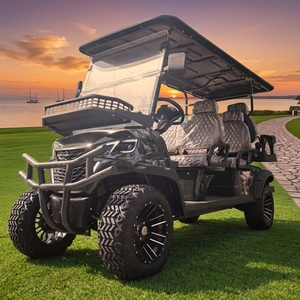
The global vehicle manufacturing ecosystem is undergoing an unprecedented shift toward electrification, ergonomic refinement, and digital cockpit integration. As the primary human-machine interface (HMI) within any vehicle cabin, the steering wheel assembly is no longer just a passive mechanical link to the front axle—it has evolved into a highly engineered control center, safety node, and premier interior tactile touchpoint.
Building upon a foundation of over 70 years of combined engineering, homologation, and vehicle development experience—rooted in rigorous US-designed and assembled standard operating protocols—our OEM manufacturing operations bridge the gap between heavy industrial reliability and luxury bespoke customizing. Whether developing low-speed personal electric vehicles (LSVs), luxury 6-passenger golf utility carts, or specialized off-road commercial machinery, precise steering wheel architecture directly dictates driver confidence, brand perception, and operational safety.
Technical Insight for OEM Procurement Managers: Standard off-the-shelf steering wheels frequently fail under prolonged high-torque electric power steering (EPS) stress, severe environmental UV exposure, and heavy fleet sanitization protocols. Custom OEM manufacturing guarantees structural rigidity through die-cast magnesium alloy skeletal armatures and specialized polyurethane molding engineered for automotive-grade longevity.
Every custom OEM steering wheel crafted within our factory network begins with precision metallurgy. The internal skeleton (armature) is precision die-cast using lightweight magnesium alloy or high-tensile structural steel. Magnesium die-casting delivers exceptional strength-to-weight ratios while dampening high-frequency chassis vibrations transmitted from electric drivetrains and terrain variances.
Following armature casting, automated high-pressure polyurethane (PU) injection molding encapsulates the core. This micro-cellular PU formulation is meticulously tuned for shore hardness, balancing tactile impact absorption with long-term dimensional stability. For luxury OEM variants, skilled leather-smiths hand-stitch premium full-grain Italian leather, ultra-fine microfiber suede, or genuine pre-preg carbon fiber wraps across ergonomic hand-grips featuring optimized 10-and-2 position contours.
Contracting a dedicated custom steering wheel factory requires rigorous verification of engineering capability, supply chain resilience, and international quality management certifications. Our factory infrastructure offers end-to-end original equipment manufacturing (OEM) and original design manufacturing (ODM) turnkey solutions.
Operates under strict IATF 16949 and ISO 9001 management systems, satisfying CE, EEC, and DOT safety compliance benchmarks for global vehicle exports.
Seamlessly embed horn switches, capacitive hand-off sensors, backlit push-buttons, LED indicators, and digital audio command modules directly into the hub assembly.
In-house 3D optical scanning, FEA structural simulation, and high-speed CNC mold manufacturing accelerate prototype lead times from months to under 3 weeks.
Tailored wheel diameters (300mm to 380mm), flat-bottom racing sweeps, contoured thumb rests, and specialized diameter grips to fit diverse driver demographics.
Select from hydrophobic anti-microbial synthetic leathers, real walnut or piano-black trim, forged carbon accents, and color-matched stitching options.
Eliminate intermediary markups. High-volume vertical production lines deliver competitive unit costs for global OEM assembly facilities.
As corporate purchasing managers, fleet developers, and OEM product directors navigate supply chain strategies for 2025 through 2030, several macro trends are reshaping custom steering wheel procurement parameters:
OEMs are increasingly seeking standardized steering column splines and modular quick-release hubs. By standardizing internal spline geometries across diverse vehicle lineups (from 2-seater personal utility vehicles to 6-passenger commercial shuttles), manufacturers can swap wheel faceplates, trim rings, and control modules without re-engineering the entire steering column connection. This drastically reduces inventory SKU complexity and tooling costs.
Environmental ESG compliance now drives raw material specifications. Forward-thinking vehicle brands are phasing out traditional petroleum-heavy vinyls in favor of bio-based vegan leathers derived from agricultural byproducts, recycled micro-fibers, and non-toxic water-based polyurethane foams. These eco-friendly materials match automotive-grade UV resistance and anti-cracking metrics while significantly lowering product life-cycle carbon footprints.
Mechanical switches are progressively yielding to multi-function capacitive touch panels integrated directly into steering wheel spokes. Modern electric utility carts and low-speed vehicles now incorporate haptic vibration motors within the grip rim, delivering tactile alerts for directional signals, lane departure warnings, low-battery thresholds, or vehicle proximity alerts.
Long lead times for specialized molds present major risks to vehicle launch schedules. Strategic buyers prioritize manufacturing partners capable of providing rapid rapid-tooling (metal 3D printing and aluminum bridge molds) alongside localized assembly hubs to ensure uninterrupted production flow.
Engineering innovation in steering wheel development is focused heavily on structural optimization, smart diagnostic integration, and driver ergonomics. The breakdown below highlights key engineering vectors transforming current factory output:
Using advanced computer simulation tools, our engineering team optimizes the deformation zones of the central skeletal ring. Under severe chest impact tests (SAE J944 standards), the magnesium frame deforms predictably to absorb kinetic energy without producing sharp structural fractures, protecting occupant safety even in non-airbag equipped commercial and off-road applications.
As demonstrated in our premium electric vehicle platforms (such as the 12.5-inch high-definition command center setups), modern steering assemblies must interface directly with digital dashboard displays. Control signals originating from steering thumb-wheels and push-buttons are serialized via CAN-bus microcontrollers located within the wheel hub, reducing multi-wire harness clutter down to a robust 4-wire spiral cable (clock spring) interface.
Steering wheels in open-air resort vehicles, farm buggies, and golf carts endure extreme conditions: intense sun, saltwater spray, torrential rain, and continuous perspiration contact. Our production process incorporates specialized UV-stabilizer additives (UV-88) into all surface polymers, combined with salt-spray testing exceeding 500 hours (ASTM B117 standards) for all chrome and anodized trim accents.
To assist procurement specialists in establishing quality benchmarks, the following comparison matrix details key structural, material, and testing metrics between custom OEM factory-manufactured steering wheels and standard aftermarket alternatives.
| Engineering Parameter | Tier-1 OEM Custom Steering Wheel | Generic Aftermarket Wheel |
|---|---|---|
| Armature Core Material | High-Pressure Die-Cast Magnesium (AZ91D) / Structural Steel | Stamped Low-Grade Aluminum or Recycled Plastic |
| Torsional Fatigue Resistance | > 100,000 Cycles @ 65 Nm Dynamic Load Test | < 20,000 Cycles (Risk of Spoke Cracking) |
| UV Weathering Resistance | SAE J2527 Accelerated Weathering (1,500+ Hours Passed) | Uncertified (Prone to Fading & Peeling within 6 Mos) |
| Environmental Operating Range | -40°C to +85°C Thermal Shock Tested | -10°C to +50°C (Polyurethane standard) |
| Electronics Integration | Integrated CAN-Bus / LIN-Bus Waterproof Switches (IP67) | External Auxiliary Wiring (Unsealed Connections) |
| Spline Alignment Precision | CNC Machined Steel Hub Insert (< 0.02mm Tolerance) | Cast Lead-Aluminum Splines (Prone to Stripping) |
| Quality Management System | IATF 16949 / ISO 9001 Full Traceability Batching | Basic ISO 9001 or Uncertified Small Workshop |
Our baseline MOQ for custom OEM manufacturing runs starts at 100 units for customized colorways, logo engraving, and specialized stitching on existing armature molds. For full ground-up custom tooling projects (requiring new magnesium skeleton injection molds), MOQs typically start at 500 to 1,000 units per annual contract. Prototype sample batches (3 to 5 units) are provided for vehicle validation prior to full production runs.
A standard development cycle follows these steps: 3D CAD modeling and FEA simulation (1 week), 3D printed functional prototype validation (1 week), high-speed steel/aluminum mold fabrication (3 to 4 weeks), initial sample trial off tool (1 week), and full production ramp-up. The complete timeline generally ranges from 35 to 55 business days depending on electronic complexity.
Yes. We manufacture custom steel hub splines compatible with major vehicle platform standards—including Club Car, EZ-GO, Yamaha, custom electric LSV platforms, automotive-grade shafts, and industrial machinery shafts. We can engineer bespoke tapered splines, double-D shafts, or keyway slots directly into the center hub core.
Our steering wheel designs comply with SAE J944 (steering wheel impact), SAE J383 (seat belt and restraint clearances), EEC certification guidelines for street-legal low-speed vehicles, CE safety mandates, and ISO 20653 IP67 ingress protection for all hub-integrated electrical switches and digital controls.
We routinely sign legally binding Non-Disclosure Agreements (NDAs) and proprietary tooling protection contracts. Custom molds funded by OEM clients remain the exclusive property of the buyer and are secured in dedicated mold vaults with restricted usage guaranteed exclusively for your production purchase orders.
Absolutely. We offer complete custom printed circuit board assembly (PCBA) design for steering wheel switch banks. We can integrate resistive signal controls, analog multi-state switches, illuminated LED pushbuttons, or direct CAN-bus / LIN-bus protocol microcontrollers tailored to your vehicle harness wiring schematic.
Elevate your vehicle platform's interior ergonomics, durability, and brand distinction. Connect directly with our engineering and procurement team to request technical drawings, sample kits, or volume production quotes.
