Explore our integrated wheel-and-chassis solutions built for low-speed electric vehicles, resort buggies, commercial turf equipment, and street-legal transportation. Engineered with high-tensile A356.2 primary aluminum alloy and heat-treated to T6 structural standards.
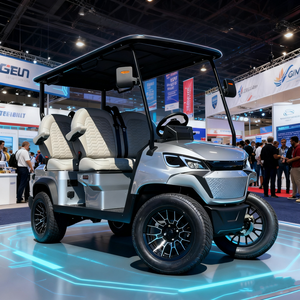
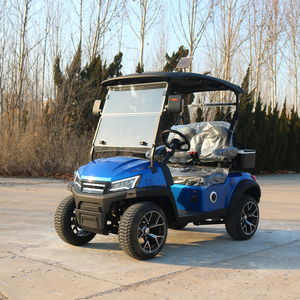
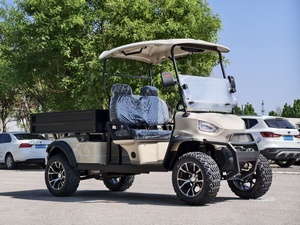
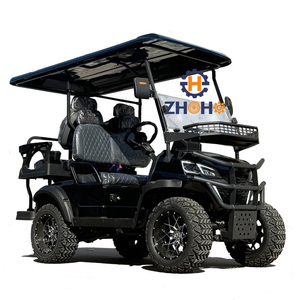
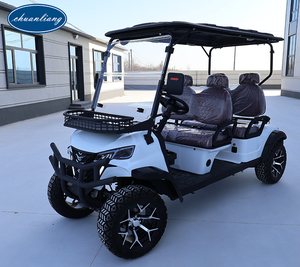
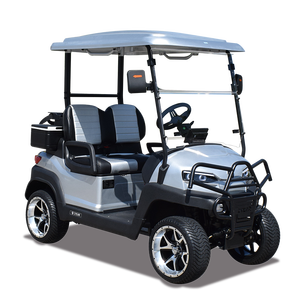
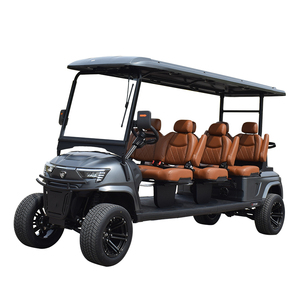
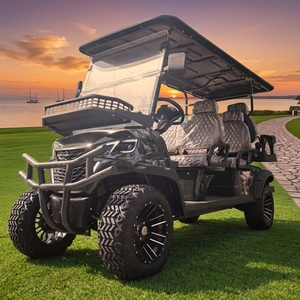
In the modern commercial electric vehicle (EV), golf cart, low-speed vehicle (LSV), and specialty automotive sectors, wheel design extends far beyond aesthetics. The wheel assembly serves as a critical structural component responsible for load-bearing stability, unsprung mass reduction, braking thermal management, and overall operational efficiency. As a dedicated OEM/ODM Alloy Wheels Factory and Exporter, our engineering operation bridges the gap between raw metallurgical science and precision vehicle integration.
Information Gain Insight: Transitioning from cast-iron or heavy steel rims to low-pressure die-cast A356.2-T6 aluminum alloy wheels reduces vehicle unsprung weight by up to 35%. This directly correlates to a 7-12% expansion in usable battery range for 72V electric golf buggies and LSVs operating on 173Ah lithium power systems.
Our casting foundry exclusively utilizes primary A356.2 aluminum ingot enriched with precise micro-alloying additives including Strontium (Sr) for grain structure modification and Titanium-Boron (TiB) for refined nucleation. By enforcing strict spectrographic melt monitoring prior to tapping, we eliminate inclusions and gas porosity that compromise structural integrity.
Our manufacturing workflow employs Low-Pressure Die Casting (LPDC) paired with state-of-the-art Flow Forming technology. LPDC introduces molten metal into the mold cavity from bottom to top under controlled pressure (0.2 to 0.7 bar). This non-turbulent filling process virtually prevents air entrapment, producing a high-density metallic grain matrix superior to traditional gravity casting methods.
Rims undergo a rigorous solution heat treatment at 535°C for 4–6 hours, followed by warm water quenching and artificial aging at 155°C for 3–5 hours. This yields tensile strengths exceeding 230 MPa and yield strengths over 160 MPa.
Every cast wheel blank undergoes automated real-time X-ray fluoroscopy to detect internal shrinkage, micro-voids, and gas bubbles. Helium leak testing guarantees zero porosity across tubeless bead surfaces.
Multi-stage automated surface lines apply micro-crystalline zinc phosphate pretreatment, cathodic electrocoat (E-coat), and automotive-grade clear powder topcoats capable of surviving 96+ hour CASS salt spray testing.
To assist OEM purchasing officers, vehicle design engineers, and fleet distributors in validating alloy wheel selections, the technical comparison below outlines key physical parameters across common manufacturing methodologies:
| Manufacturing Technology | Material Grade | Tensile Strength (MPa) | Yield Strength (MPa) | Radial Fatigue Life | Weight Savings vs Steel |
|---|---|---|---|---|---|
| Low-Pressure Die Casting (LPDC) | A356.2-T6 Aluminum | 230 - 260 MPa | 165 - 190 MPa | > 500,000 cycles | 25% - 30% Reduction |
| Flow-Formed Rim Engineering | A356.2 Modified | 280 - 310 MPa | 210 - 240 MPa | > 1,000,000 cycles | 35% - 40% Reduction |
| Forged Monoblock Architecture | 6061-T6 Aerospace Grade | 310 - 340 MPa | 275 - 300 MPa | > 2,000,000 cycles | 45% - 50% Reduction |
| Conventional Gravity Steel Stamping | Q235 / Structural Steel | 370 - 410 MPa | 235 MPa | ~ 150,000 cycles | Baseline Reference (0%) |
As global demand for personal electric transportation, street-legal low-speed vehicles (LSVs), and specialized resort utility carts accelerates, procurement teams must align with emerging technological shifts. Our R&D division has highlighted four transformative trends dictating future supplier selection:
In electric utility and resort vehicles powered by 48V or 72V lithium battery platforms, aerodynamic drag accounts for significant energy consumption at speeds above 20 mph (32 km/h). Future OEM wheel specifications increasingly favor semi-closed aero-disc geometry and flush-face designs that minimize turbulent air vortices around wheel arches, enhancing usable range per charge cycle.
International environmental mandates and corporate ESG criteria require fleet managers to verify supply chain sustainability. Modern alloy wheel manufacturing is shifting toward recycled secondary aluminum blending and green hydro-powered smelting processes, cutting embodied carbon emissions by over 60% without compromising tensile strength.
Next-generation vehicle platforms demand direct integration of Tire Pressure Monitoring Systems (TPMS) and RFID hub tracking chips. OEM wheel manufacturing now incorporates custom valve-pocket milling and hub cavity profiling to accommodate high-precision digital telemetry hardware.
Traditional tooling lead times of 12–16 weeks are no longer viable for fast-moving EV brands. Utilizing 3D optical scanning, 3D sand-printing for trial casting molds, and multi-axis CNC machining, modern OEM suppliers can deliver fully tested T1 alloy wheel samples in as few as 21 to 30 days.
Founded by automotive industry veterans with over 70 years of combined engineering expertise, our organization is structured to serve global vehicle OEMs, tier-1 distributors, commercial resort operators, and custom aftermarket brands. We eliminate range anxiety, structural failures, and supply chain delays through vertical integration.
Before cutting steel tooling, every wheel design undergoes 3D FEA stress simulations under extreme dynamic radial loading, cornering moment strain, and 13-degree curb impact conditions using ANSYS software.
Full flexibility across PCD (Pitch Circle Diameter) dimensions ranging from 4x100mm, 4x101.6mm (4x4"), 4x114.3mm up to 5-bolt setups, with offset (ET) configurations customized down to +/- 0.5mm accuracy.
Our production facilities maintain strict adherence to international testing protocols, including JWL / JWL-T (Japan), VIA certification standards, SAE J2530 specifications, and European TÜV quality management frameworks.
Get instant clarity on technical specifications, custom tooling workflows, minimum order quantities, and factory compliance protocols.
We exclusively utilize primary A356.2 aluminum alloy ingot featuring Strontium modification and T6 heat treatment. We do not use scrap or recycled secondary aluminum for structural wheel components to ensure uniform grain density and dynamic load strength.
Following 3D CAD drawing sign-off and FEA stress approval, 3D mold tooling typically requires 25 to 35 days. T1 physical wheel samples are produced, fully tested for radial fatigue and impact resistance, and shipped for buyer verification within 40 days total.
Yes. While our standard mass production lines operate efficiently for large volume orders, our flexible CNC machining cells allow MOQ flexibility starting at 100 to 200 units per specification for custom resort fleets, commercial utility vehicles, or specialized LSV programs.
Our wheels undergo an automated 12-stage chemical pre-treatment process followed by cathodic e-coating and high-durability acrylic/polyester powder baking. Finishing lines are certified to withstand 96 to 240 hours of Copper-Accelerated Acetic Acid Salt Spray (CASS) testing.
Absolutly. Our wheel geometry, hub bore centerings, and load index ratings are engineered specifically to comply with DOT, EEC, and CE regulatory standards governing street-legal LSVs, neighborhood electric vehicles (NEVs), and resort utility buggies.
We provide comprehensive finishing options including full gloss powder coat, satin matte, CNC diamond machining, color-tinted transparent lacquers, chrome plating, and laser-engraved custom brand logos on center caps or rim lips.
Partner with an established OEM/ODM factory and global exporter. Request custom mold evaluations, request 3D CAD design assistance, or order T1 test samples directly from our engineering team.
