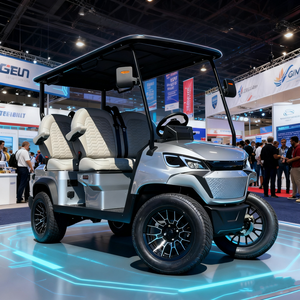
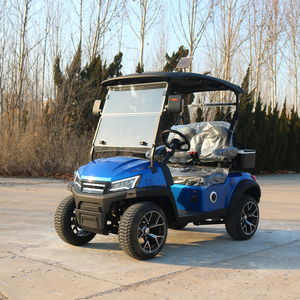
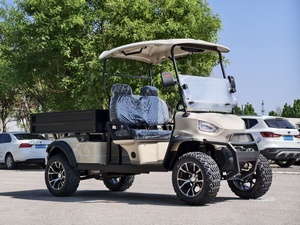
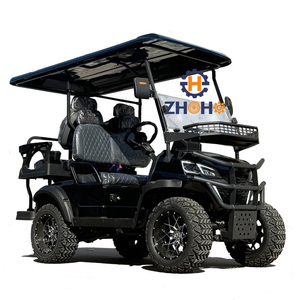
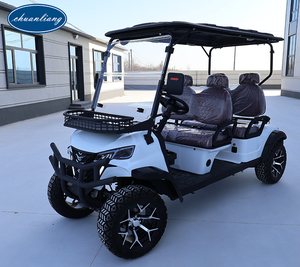
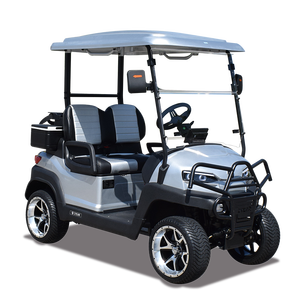
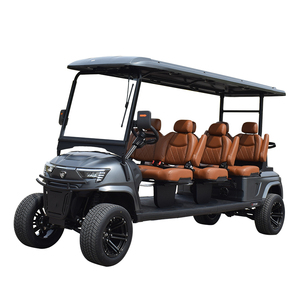
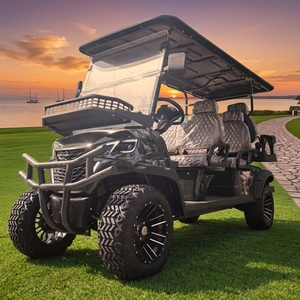
Explore our factory-direct customized electric vehicles, specialized utility buggies, and high-clarity safety windshield assemblies engineered for commercial fleets, resorts, and golf communities.
Our OEM/ODM manufacturing infrastructure bridges the gap between raw material innovation and full-vehicle homologation. Founded by industry veterans with more than 70 years of combined engineering expertise, we deliver vehicle platforms and laminated automotive glass components designed to eliminate real-world operational challenges.
We engineer AS1 laminated windshield glass featuring high-tensile PVB interlayers. Our windshields resist extreme impact, eliminate optical distortion, and maintain structural integrity under severe mechanical vibration.
Our glass enclosures and frame structures are precision-matched to high-output electric platforms. Designed to accommodate 173Ah high-capacity lithium battery packs and 5KW AC motors without flexing or glass seal strain.
From custom curvature bending and anti-glare coatings to integrated heated wire grids and digital HUD projection layers, our flexible OEM/ODM lines handle complex low-to-high volume custom runs.
Sourcing automotive windshield glass at an OEM/ODM enterprise level requires strict adherence to physical safety standards, optical clarity parameters, and environmental durability testing. Whether producing replacement windshields for conventional passenger cars or designing custom curved glass solutions for low-speed vehicles (LSV), golf buggies, and commercial electric transports, the manufacturing process dictates performance longevity.
The manufacturing cycle begins with raw soda-lime float glass inspected for micro-imperfections, inclusions, and optical stress points. Advanced OEM factories utilize multi-axis CNC glass cutting tables to achieve tight dimensional tolerances (within ±0.5mm). Edge grinding follows using diamond wheel edging machines to remove micro-fractures along perimeter cut lines, preventing thermal stress cracks during the subsequent heating stages.
Custom curved vehicle windshields rely on gravity bending or press bending inside multi-zone glass bending kilns operating between 600°C and 630°C. For double-curved complex geometries—common in modern aerodynamic electric utility vehicles—computerized press bending dies ensure exact compliance with CAD frame specifications, guaranteeing leak-free rubber weatherstrip alignment during final vehicle assembly.
True safety glass requires sandwiching a specialized acoustic or structural Polyvinyl Butyral (PVB) interlayer between two glass sheets. This process occurs in controlled cleanroom environments (ISO Class 7) to eliminate dust contamination. After assembling the glass-PVB sandwich, the pre-press roller de-airing unit removes trapped air bubbles before final processing in high-pressure autoclaves operating at 13–15 bar and 135°C–145°C. This chemical bonding ensures that upon high-velocity impact, glass fragments remain adhered to the PVB sheet without inflicting passenger harm.
| Glass Type / Spec | Material Structure | Safety Certification | Primary Application | Impact Resistance |
|---|---|---|---|---|
| AS1 Laminated Safety Glass | Double Glass + 0.76mm PVB | DOT-639 / ECE R43 | Automotive & LSV Front Windshields | High (Shatterproof Retention) |
| AS2 Tempered Safety Glass | Single Monolithic Toughened Glass | DOT / CE Approved | Side Windows & Rear Glass | Medium (Dices into blunt pieces) |
| AS3 Acrylic / Polycarbonate | Hard-coated Polycarbonate | ANSI Z26.1 | Off-Road Utility / Light Buggies | Extreme Impact (Scratch prone) |
| Acoustic PVB Laminated | Double Glass + Sound Dampening Interlayer | Automotive OEM Grade | Luxury Electric Vehicles & Shuttles | High + Noise Isolation (3dB drop) |
The global automotive glass market is undergoing a structural transition driven by electric vehicle (EV) adoption, autonomous driving sensors, and smart city infrastructure. Fleet procurement managers, OEM sourcing agents, and vehicle assembly plants must consider three critical technological shifts when specifying custom windshield solutions:
Traditional mechanical sunshades are increasingly replaced by smart electrochromic and polymer dispersed liquid crystal (PDLC) dynamic glass. These systems allow occupants to electronically adjust light transmittance from clear to shaded via cockpit touchscreens. Additionally, OEM glass manufacturers are embedding micro-tungsten heating wires into the PVB interlayer, permitting rapid defrosting and defogging without fan noise or excessive power draw from the central 72V/48V vehicle battery system.
Even in low-speed vehicles, electric golf buggies, and resort shuttles, Advanced Driver Assistance Systems (ADAS) are becoming standard. OEM windshield factories must incorporate optical-grade camera brackets, rain sensor ceramic frits, and wedge-shaped PVB interlayers designed specifically for HUD projection. This wedge gradient eliminates "ghosting" artifacts in projected speedometers and navigation overlays.
Vehicle manufacturers prioritizing range expansion—especially platforms utilizing 173Ah lithium power packs—are migrating toward ultra-thin glass laminates (e.g., 0.7mm chemically strengthened inner glass paired with 2.1mm outer float glass). This hybrid approach reduces overall windshield weight by up to 30% compared to traditional 6mm total thickness glass, directly improving vehicle power efficiency and lowering center-of-gravity dynamics.
Answers to common questions regarding custom tooling, minimum order quantities (MOQ), compliance testing, and international logistics.
Consult directly with our engineering team to review 3D CAD files, request material sample kits, or obtain custom volume quotes for your production lineup.
Contact Us