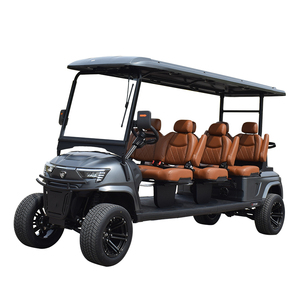
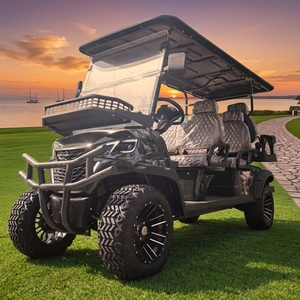
Top 10 Custom Buggy Manufacturer & Factories

2026 Global OEM Sourcing Whitepaper: Next-Gen 72V/48V Lithium Platforms, Engineering Standards & Factory Procurement Guide

Recommended Custom Electric Buggy Models

Explore our flagship OEM/ODM electric buggy catalog built with heavy-duty chassis architecture, high-output AC drive motors, and automotive-grade lithium-ion power plants.
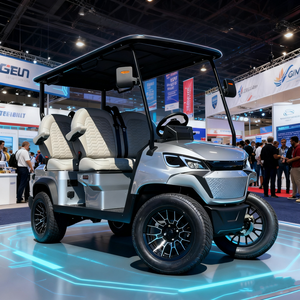
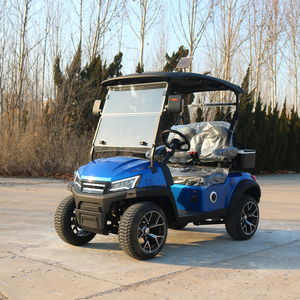
72V EEC Certified Electric Golf Buggy

72V EEC Certified Electric Golf Buggy with 5KW 7.5KW High Power Motor Long Life Battery and Steel Construction

  • Power: 5KW / 7.5KW AC High Torque
  • Certification: EEC Certified (European Homologation)
  • Frame: Reinforced Structural Steel Chassis
Send an Inquiry
New Design 2 Seat 6 Seat Golf Cart

New Design 2 Seat 6 Seat Golf Cart Electric Road Utility Vehicle Golf Motor 72v Battery Club Sightseeing Car Electric Golf Buggy

  • Voltage: 72V Heavy-Duty Battery System
  • Seating: Modular 2-Seat to 6-Seat Config
  • Application: Utility & Sightseeing Mobility
Send an Inquiry
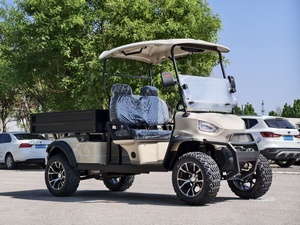
Off Road Sporty Lifted Golf Cart

New Arrival 2 Seater Electric Golf Buggy Off Road Sporty Lifted Golf Cart for Farm and Beach Use

  • Drivetrain: Lifted Off-Road Suspension
  • Terrain: All-Terrain Farm, Beach & Trail
  • Tires: Heavy-Duty All-Terrain Knobby Tires
Send an Inquiry
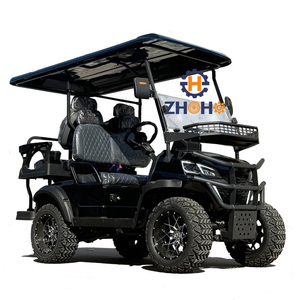
Street Legal Electric 4 Seater Golf Cart

Luxury Design Street Legal Electric 4 Seater Golf Cart with 48v 72v Battery Accept Customization

  • Battery Option: 48V / 72V Smart Lithium
  • Homologation: LSV Street-Legal Ready
  • Customization: Paint, Seats, Rims & Audio
Send an Inquiry
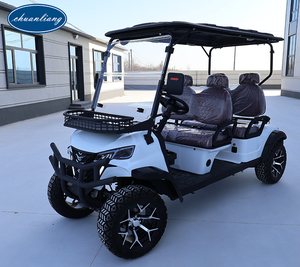
Customized 4 Seater Electric Golf Buggy

Professional Customized 4 Seater Electric Golf Buggy with Lithium Battery Powered for Resort Golf Course Community

  • Powerplant: High-Density 173Ah Lithium
  • Target Domain: Luxury Resorts & Communities
  • Cockpit: 12.5" Command Center Screen
Send an Inquiry
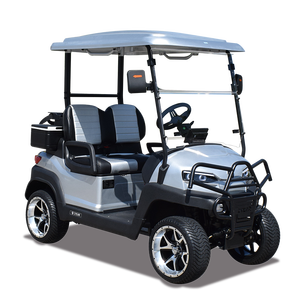
4 Wheel Electric Golf Cart 2 Seat

4 Wheel Electric Golf Cart 2 Seat Golf Cart Lithium Golf Buggy Speakers and Lights

  • Motor: Brushless AC Motor with Regen Braking
  • Entertainment: Integrated Bluetooth & Speakers
  • Lighting: Premium Automotive LED Package
Send an Inquiry
Factory Supply 6 Seater Golf Buggy

Factory Supply Popular Golf Car Custom Electric Golf Cart 6 Seater Golf Buggy for Resort

  • Capacity: High-Payload 6 Passenger Layout
  • OEM Capability: Direct Factory Wholesale Pricing
  • Comfort: Ergonomic Premium Leather Seating
Send an Inquiry
Classic Retro Vintage Electric Golf Cart

Classic Retro Vintage 6 Seater Electric Golf Cart Lithium Sightseeing Buggy Scenic Spot Hotel Reception CE Certified 72V Custom

  • Styling: Imperial Vintage Reception Aesthetic
  • Compliance: CE Certified 72V Architecture
  • Utilization: VIP Hospitality & Scenic Spot Fleet
Send an Inquiry
70+
Years Combined Engineering Experience
173Ah
Standard Lithium Battery Capacity
5-7.5KW
AC Brushless High Torque Motors
100%
Custom OEM/ODM Homologation Ready

Industry Benchmark: Top 10 Custom Buggy Manufacturers Evaluation

A rigorous engineering audit on how leading OEM buggy factories structure power systems, frame geometry, safety certifications, and commercial scalability.

Why OEM Sourcing Strategy Dictates Long-Term Fleet ROI

In the rapidly maturing low-speed vehicle (LSV) and commercial golf buggy market, selecting a custom manufacturer is no longer merely about aesthetic body panels or superficial options. It requires inspecting structural integrity, motor controller efficiency curves, battery management system (BMS) logic, thermal dispersion safety, and multi-jurisdictional compliance such as EEC, CE, and US DOT certifications.

As global demand shifts away from legacy lead-acid golf carts toward high-voltage, lithium-ion personal transportation vehicles (PTVs) and commercial electric utility buggies, OEM buyers—ranging from regional distributors and rental fleet operators to high-end resort groups—must audit factories based on five core criteria:

  • Structural Chassis Fabrication & Cathodic Protection: High-tensile steel frames versus robotic aluminum welding to prevent corrosion in coastal resort and farm environments.
  • Lithium Battery Cell Architecture & BMS Integration: Standardizing on high-capacity cells (such as 173Ah LiFePO4 packs) equipped with cell-level balancing, over-charge/discharge protections, and temperature telemetry.
  • AC Powertrain Efficiency: Transitioning from inefficient 48V brushed DC systems to 72V 5KW/7.5KW AC induction motors that provide instant low-end torque, hill-climbing power, and dynamic energy recovery through regenerative braking.
  • Automotive Cockpit & ECU Telematics: Incorporating digital CAN-BUS architectures with 12.5-inch HD command centers for real-time diagnostics, speed limiting, and fleet management.
  • Homologation & Street-Legal Readiness: Pre-engineering vehicles for low-speed vehicle (LSV) regulatory guidelines, including DOT windshield glass, three-point seatbelts, LED lighting, hydraulic disc braking, and VIN registration capability.
70+ Yrs Engineering 173Ah Lithium Standard Direct OEM Supplier

Why Global Distributors Partner With Our Factory

Founded by veteran mobility engineers with over 70 years of combined vehicle design and manufacturing expertise, our OEM manufacturing base builds electric buggies from the chassis up. Instead of assembling off-the-shelf catalog parts, we engineer proprietary structural frameworks, custom software protocols for AC controllers, and high-capacity lithium battery enclosures that deliver multi-day operational range without voltage sag.

Request OEM Factory Direct Pricing

Lifetime Powertrain Warranty Standard

Our heavy-duty steel chassis and high-torque AC motors are backed by industry-leading quality guarantees, reducing warranty claims for international distributors.

End-to-End ODM Customization

From 2-seater sport buggies to 6-passenger lifted resort shuttles and vintage luxury vehicles, we customize body molds, suspension height, wheel offsets, and cabin tech.

Future Procurement Trends in Electric Buggy Manufacturing (2025–2030)

Strategic technology developments reshaping global golf cart procurement, commercial resort shuttles, and neighborhood electric vehicle (NEV) supply chains.

1. 72V High-Voltage Transition

Legacy 48V systems are rapidly being superseded by 72V lithium platforms. High-voltage architecture reduces current draw (amperage), drastically minimizing heat generation within motor windings, reducing wiring mass, and increasing overall powertrain efficiency by up to 22% during heavy payload towing and slope climbing.

2. Integrated Smart BMS Telematics

Modern commercial buyers demand IoT-enabled battery management. Modern factories now integrate CAN-BUS communication protocols directly into the battery pack, allowing fleet supervisors to remotely monitor state of charge (SoC), individual cell temperature, degradation cycles, and fault codes via cloud dashboards.

3. Modular Chassis Standardization

Top-tier custom buggy manufacturers are standardizing on modular frame designs. By utilizing a flexible backbone, factories can rapidly shift production from a standard 2-seater personal cart to a 4-seater flipped utility box or a 6-seater lifted off-road buggy on the same automated robotic assembly line.

Technical Comparison: Next-Gen Lithium vs. Legacy Lead-Acid Buggies

When evaluating OEM supplier tenders, the total cost of ownership (TCO) and mechanical longevity are critical metrics. Below is an engineering overview comparing next-generation 72V 173Ah lithium buggies against conventional lead-acid fleet buggies:

Evaluation Parameter Next-Gen 72V Lithium Platform (Our Standard) Legacy 48V Lead-Acid Platform OEM Operational Benefit
Battery Cycle Life 3,500+ Deep Charge Cycles (LiFePO4) 500 - 800 Cycles (Flooded / AGM) Eliminates battery replacements for 8-10 years
Power & Voltage Stability Flat discharge curve; 100% torque available at 15% SoC Steep voltage drop under load; sluggish performance Consistent torque for steep hills & full payloads
Maintenance Requirement Zero water topping; zero terminal acid corrosion Weekly watering, acid neutralizing, tight cable audits Cuts labor maintenance expenses by over 90%
Chassis Weight & Payload 300+ lbs lighter pack weight Heavy lead weight accelerates tire & brake wear Increases passenger payload & extends braking life
On-Board Command Tech 12.5" HD Touchscreen with CAN-BUS integration Analog voltmeters & basic key switches Modern consumer experience & real-time telemetry

Product Development & Custom Manufacturing Engineering

Inside the R&D cycle: How top-tier OEM factories design, prototype, and test heavy-duty electric buggies for global distribution.

Developing a commercial-grade electric buggy requires rigorous structural engineering. Top manufacturers prioritize four critical phases during R&D:

Phase 1: Finite Element Analysis (FEA) Chassis Modeling

Before steel tubes are laser cut, engineers simulate physical stresses, torsional rigidity, and impact dynamics using FEA software. This ensures that lifted 6-seater utility buggies maintain zero frame flexing even when fully loaded with 1,200 lbs of passenger weight navigating uneven terrain.

Phase 2: Automotive-Grade Hydraulic Braking & Suspension Tuning

High-power 5KW and 7.5KW AC motors allow electric buggies to reach speeds up to 25–35 mph (40–55 km/h). Stopping power must match motor output. Leading factories specify 4-wheel hydraulic disc brakes with auto-adjusting calipers, coupled with independent front double A-arm suspension and rear coil-over shocks for maximum stability.

Phase 3: Environmental Seals & Corrosion Resistance

Whether deployed on coastal beaches, dusty farms, or humid tropical resorts, vehicles face severe environmental hazards. High-spec factories apply multi-stage electro-phoretic coating (E-coat) inside and outside steel chassis tubes, paired with IP67-rated waterproof wiring harnesses, sealed connectors, and weather-protected AC controllers.

Phase 4: Turnkey OEM/ODM Customization Programs

For brands and distributors looking to establish market dominance, custom manufacturing options include:

  • Custom body shell injection molding in proprietary brand colors (PP and ABS plastics).
  • Bespoke marine-grade vinyl seating with custom cross-stitching and embroidered logos.
  • Lift kit geometry adjustments (3-inch to 6-inch lifted suspension packages).
  • Off-road light bars, soundbars, subwoofers, fold-down windshields, and solar roof extensions.

B2B Procurement & Sourcing FAQ

Essential technical, regulatory, and logistics answers for enterprise buyers, distributors, and fleet managers working with custom buggy factories.

What is the typical Minimum Order Quantity (MOQ) for custom OEM buggy manufacturing?
Our standard factory MOQ for custom OEM buggies typically starts at a single 20ft or 40ft High Cube container load (typically 4 to 12 units depending on body size and lifted configuration). For established regional distributors, sample evaluation units can be negotiated prior to full container production runs.
How do EEC and CE certifications affect international customs clearance?
CE certification ensures compliance with European safety, health, and environmental protection standards for general machinery and electrical systems. EEC certification (L7e / L6e category homologation) goes further, certifying that the electric buggy meets strict European Union road safety standards for street-legal registration, including speed limiters, lighting arrays, brake testing, and horn output.
What battery options are recommended for high-temperature or mountainous environments?
For mountainous or steep terrain, we recommend our 72V system equipped with a 5KW or 7.5KW high-torque AC motor and a 173Ah LiFePO4 lithium battery. LiFePO4 (Lithium Iron Phosphate) chemistry is inherently stable, operating safely in ambient temperatures up to 60°C (140°F) without thermal runaway risks while maintaining strong voltage delivery on continuous gradients.
Can the command center software and digital screen be customized with our logo?
Yes. Our 12.5-inch HD command centers run customizable firmware. We can flash your proprietary company logo onto the splash screen during startup, configure customized drive mode parameters, and localize the user interface language for your specific target market.
What is the lead time for standard vs. fully customized ODM buggy production?
Standard OEM production runs (utilizing existing chassis and body color templates) are usually completed within 15 to 25 business days. Fully custom ODM projects requiring dedicated body molds, unique frame stretches, or specialized commercial utility accessories generally require 45 to 60 days including prototyping and validation testing.
How are replacement parts and warranty claims handled for overseas buyers?
We provide a spare parts buffer (including controllers, relays, brake pads, lights, and switches) shipped inside every container order. For warranty claims under our lifetime powertrain or 10-year battery warranty agreements, fast-track air courier shipping is utilized to deliver replacement components directly to your service hub.

Partner with a Premier Custom Buggy Factory

Whether you are expanding your commercial rental fleet, sourcing luxury resort transportation, or launching a localized brand of street-legal electric buggies, our engineering team provides complete OEM/ODM support from design to delivery.