Engineered with high-capacity 72V/48V powertrains, reinforced chassis dynamics, and automotive-grade safety integration.
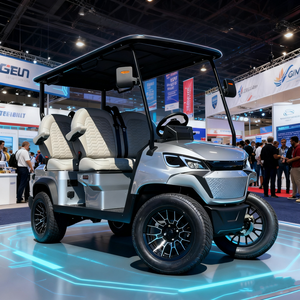
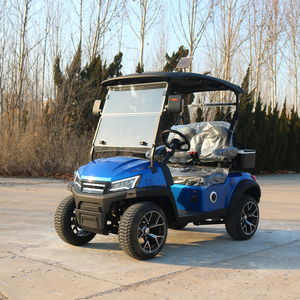
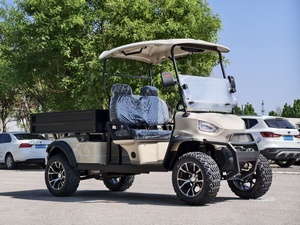
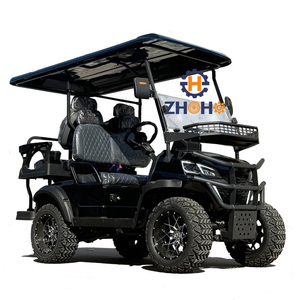
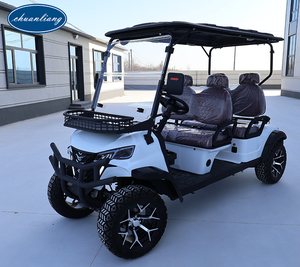
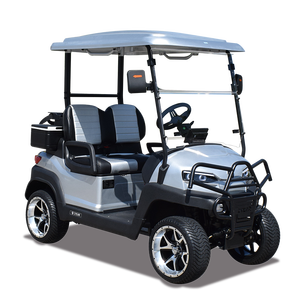
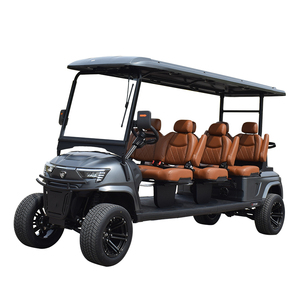

Combining American engineering principles with advanced robotic manufacturing to supply high-reliability personal, commercial, and resort electric low-speed vehicles (LSV).
Founded by veteran golf cart engineers and automotive experts. Every structural chassis bracket, wiring harness, and suspension control arm is optimized based on decades of real-world fleet telemetry.
Standardized on massive 173Ah LiFePO4 packs equipped with proprietary Battery Management Systems (BMS). Provides flat discharge curves under steep hill climbs without voltage drops or thermal runaway risks.
Full international compliance including EEC, CE, ISO9001, and DOT certification. Ready for turnkey registration as street-legal Low-Speed Vehicles (LSV) across North America, Europe, and the Middle East.
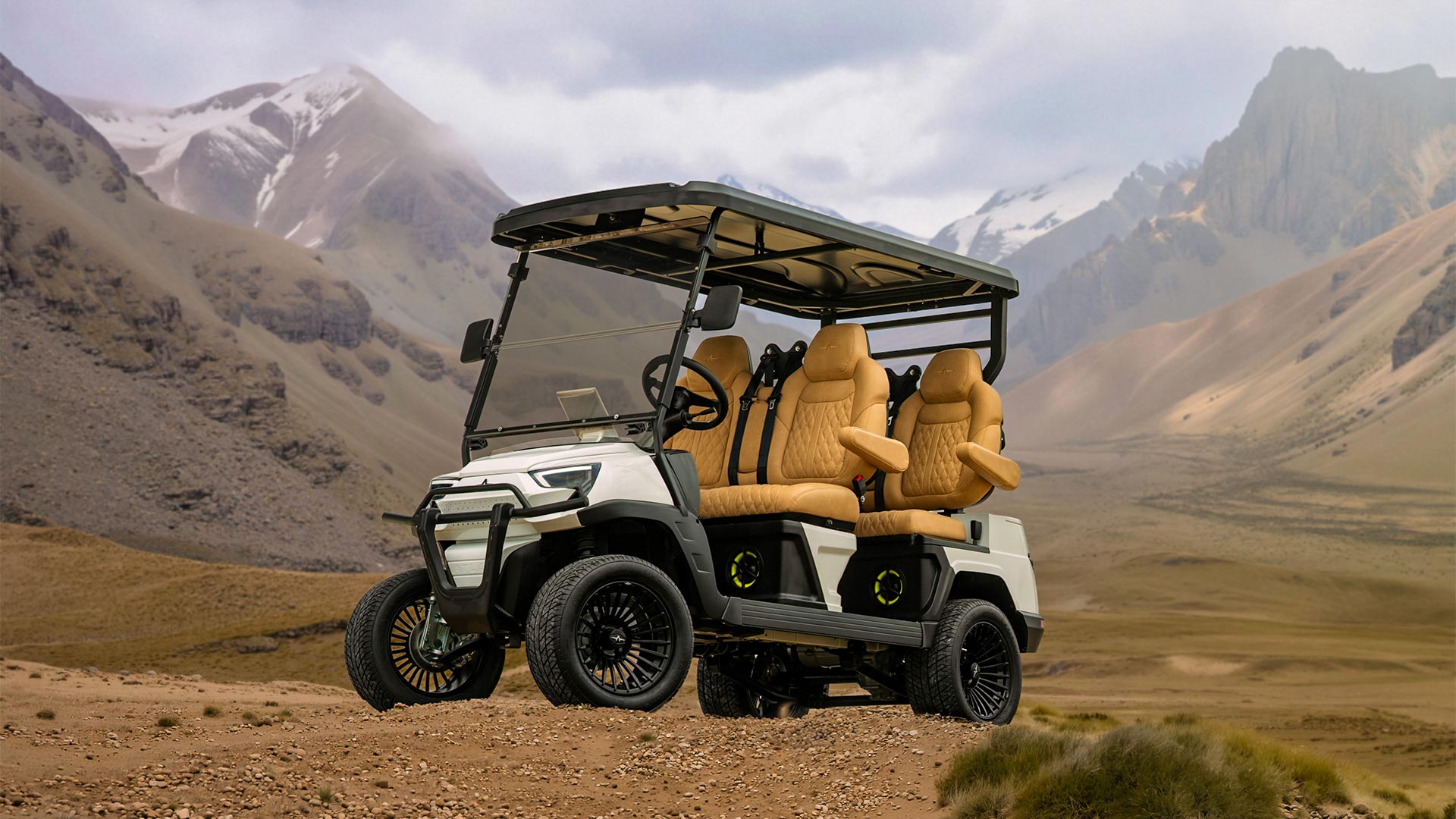
Our OEM manufacturing line replaces legacy golf cart design with modern automotive drivetrain architecture, providing unprecedented durability, electronic efficiency, and occupant safety.
An in-depth analysis of procurement trends, total cost of ownership (TCO), powertrain shifts, and regulatory standards for commercial fleet buyers and global distributors.
The global golf trolley and personal electric vehicle (PEV) market is undergoing a seismic transformation. Historically dominated by traditional 6V or 8V flooded lead-acid batteries, golf course operators and resort fleet managers faced constant maintenance overheads—ranging from water topping and terminal corrosion cleaning to frequent cell degradation every 2 to 3 years. Modern commercial buyers are now exclusively demanding enterprise-grade Lithium Iron Phosphate (LiFePO4) energy systems.
From an OEM manufacturing perspective, integrating a standard 173Ah lithium system yields a 50% reduction in curb weight compared to equivalent lead-acid packs. This weight reduction directly translates to reduced turf compaction on golf courses, lower kinetic inertia during braking, enhanced hill-climbing torque, and up to 3000+ deep discharge cycles (backed by 10-year warranties). For fleet operators, the Total Cost of Ownership (TCO) decreases by up to 42% over a 5-year operational lifecycle.
Information Gain Insight: Modern 72V lithium architectures operate at lower current (amperage) levels than legacy 48V systems to deliver equivalent or superior wattage power (P=VI). This lower current reduces thermal stress on motor windings and controller MOSFETs, reducing electronic failure rates by over 65% in tropical resort climates.
A primary failure point in commercial golf trolleys operating in coastal resorts, farms, or hilly terrains is structural frame rust and stress fatigue. Leading B2B manufacturers have transitioned from basic painted carbon steel channels to high-tensile hot-dip galvanized steel or seamless aluminum alloy unibody frames subjected to electrophoretic deposition (ED) coating.
Double A-arm independent front suspension equipped with adjustable hydraulic coil-over shocks has replaced rigid leaf springs. This setup ensures continuous tire-to-ground contact on uneven sand, gravel, or off-road beach trails, protecting both the passenger cabin and delicate digital dashboard electronics from structural vibration fatigue.
When procuring golf buggies and utility vehicles for high-demand environments (e.g., 18-hole golf courses, gated residential communities, luxury hotels, agricultural estates), technical directors must benchmark key platform parameters:
| Technical Specification | Standard Lead-Acid Trolley | 48V Commercial Fleet Cart | Our 72V Lithium Platform |
|---|---|---|---|
| Battery Chemistry & Capacity | Flooded Lead-Acid / AGM (150Ah) | Lithium LiFePO4 (105Ah) | Heavy-Duty LiFePO4 (173Ah Standard) |
| Motor Output (Nominal/Peak) | 3.0 KW DC Brushed | 4.0 KW AC Brushless | 5.0 KW – 7.5 KW AC High Torque Motor |
| Command Center / Display | Analog Battery Gauge | 7-Inch Basic LED Screen | 12.5-Inch HD Smart Touchscreen |
| Hill-Climbing Gradeability | 15% to 20% Grade | 20% to 25% Grade | > 30% Grade Under Full Payload |
| Lifecycle Expectancy | 500 - 800 Cycles (2-3 Yrs) | 2000 Cycles (5-7 Yrs) | 3500+ Cycles (10-Yr Warranty) |
| Street-Legal Readiness | Rarely Standard | Optional Add-on Kit | DOT / EEC LSV Standard Compliance |
Looking toward 2026 to 2030, the boundaries between golf carts and low-speed urban vehicles (LSVs) are disappearing. Municipalities worldwide are permitting 25 mph (40 km/h) low-speed vehicles on public roadways with posted speed limits up to 35 mph. Consequently, factory manufacturing specs now incorporate automotive glass windshields with windshield wipers, 3-point seat belts, LED turn signals, side mirrors with integrated indicators, and 4-wheel hydraulic disc brakes as standard factory equipment.
Furthermore, cloud-connected IoT fleet management is becoming mandatory for resort operators. Modern golf trolley platforms integrate CAN-Bus gateway telemetry, allowing fleet managers to track real-time battery status, geo-fence cart operational boundaries, lock vehicles remotely, and schedule predictive maintenance before component breakdown occurs.
Expert insights covering custom OEM manufacturing, battery chemistry warranties, international certifications, and bulk shipping logistics.
