Explore high-torque, lithium-powered vehicles engineered with heavy-duty rear seat conversion assemblies, automotive-grade chassis frames, and multi-passenger safety certification.
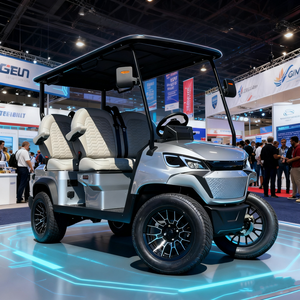
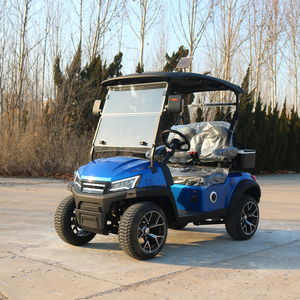
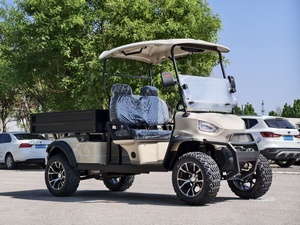
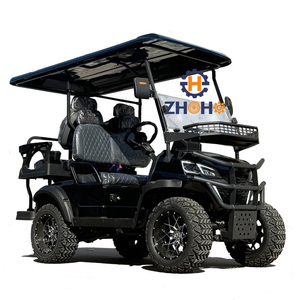
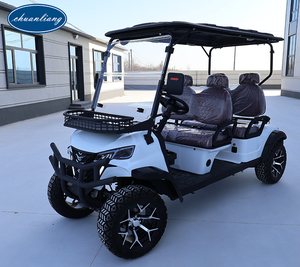
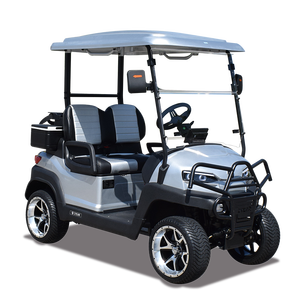
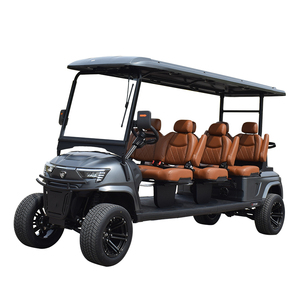
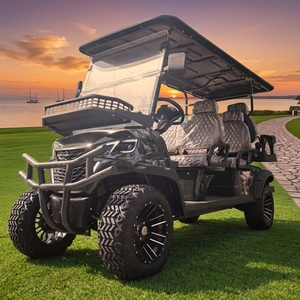
In the rapidly evolving Low-Speed Vehicle (LSV) and neighborhood electric vehicle (NEV) sectors, rear seat kits and integrated multi-passenger seating assemblies are no longer simple aftermarket accessories. Leading rear seat manufacturers and OEMs have shifted toward holistic structural engineering. Rear seating systems dictate vehicle center of gravity, axle weight distribution, passenger rollover protection, and payload versatility.
For commercial fleet operators, luxury resort managers, and golf cart distributors, evaluating rear seat manufacturers requires an technical understanding of sub-frame dynamics, materials science, and ergonomic security. Modern rear seat kits must balance structural integrity under dynamic cornering loads with multi-functional utility—such as 2-in-1 flip-flop bed conversions that turn a passenger bench into an industrial-grade cargo platform within seconds.
Superior rear seat manufacturing begins beneath the cushion. Low-quality aftermarket kits rely on stamped low-carbon steel brackets prone to torsional flexing, weld cracking, and accelerated oxidation. Premier manufacturers utilize structural tubular aluminum alloys (such as 6061-T6) or high-tensile steel subjected to multi-stage electrophoretic cathodic dip coating (E-coat).
By engineering the rear seat frame as an extension of the primary chassis ladder frame, weight distribution is optimized across both front coil-over shocks and rear leaf/hydraulic suspension systems. This eliminates the tail-wagging effect common in modified 4-seater buggies during rapid deceleration or downhill turns.
Minimum 300kg static load threshold with zero deformation on safety grab bars and passenger footrests.
Patented hinge pivot geometry allowing effortless single-hand conversion between passenger bench and composite cargo bed.
UV800+ rated anti-microbial vinyl with high-density cold-molded polyurethane foam inner cores.
Long-term durability in outdoor hospitality and residential transportation demands marine-grade materials. Top trusted manufacturers formulate seating foam using cold-molded polyurethane with a density rating exceeding 55kg/m³. This prevents foam compression failure after prolonged exposure to dynamic passenger weights.
The exterior vinyl layer utilizes UV-inhibited, mildew-resistant composite leather bonded with expanded polyester backings. Micro-perforated thermal dissipation channels allow airflow while maintaining complete moisture resistance against heavy rain and humidity.
With more than 70 years of combined engineering leadership, our manufacturing facility redefines golf cart chassis and rear seat integration. By aligning vehicle powertrain design with structural seating safety, we deliver factory-direct electric buggies equipped with industry-leading standard components—eliminating the need for fragile third-party add-ons.
A major flaw in aftermarket rear seat installations on standard golf carts is motor over-stress. Adding two additional adult passengers increases total vehicle payload by 150kg to 250kg, causing standard 48V DC motors to overheat on mild inclines. Our manufacturing standard solves this problem at the root level:
Every vehicle featuring our multi-passenger seating configuration is integrated with a 173Ah Lithium-Ion battery pack paired with a 5KW or 7.5KW AC brushless induction motor. This setup generates instantaneous low-end torque, preserving uphill acceleration and enabling regenerative braking energy recovery during full-load descents.
| Engineering Metric | Standard Aftermarket Rear Kits | Our OEM Integrated Rear Seating Systems |
|---|---|---|
| Frame Material | Stamped Light Steel Bracket | E-Coated Structural Tubular Steel / 6061 Aluminum |
| Corrosion Resistance | Basic Spray Paint (200hr Salt Spray) | Electrophoretic Cathodic Dip Coating (1000hr+ Salt Spray) |
| Passenger Safety Features | Optional Bolt-on Grab Bar | Integrated Steel Grab Bar, Footrest Lights & DOT Belts |
| Powertrain Alignment | Unchanged Stock 48V DC Motor | Factory 72V / 5KW-7.5KW AC Drive + 173Ah Lithium BMS |
| Warranty Terms | 1-Year Limited Components | Lifetime Powertrain · 10-Yr Battery · 3-Yr Bumper-to-Bumper |
As golf carts transition from dedicated fairway vehicles into primary micro-mobility platforms across gated communities, coastal resorts, and urban centers, rear seat procurement strategies are undergoing a fundamental transformation. B2B purchasers and fleet managers must align with several key technological shifts:
Municipal legislation worldwide is mandating strict Low-Speed Vehicle (LSV) compliance for buggies operating on public roadways (speeds up to 25 mph / 40 km/h). Future rear seat assemblies must integrate three-point restraint systems (DOT certified seatbelts), integrated LED tail/brake lamps within the rear step platform, and weight-occupancy sensors tied to the vehicle main ECU to restrict top speed when rear passengers are present.
Fleet operators are demanding rapid modularity. The future of rear seat manufacturing lies in quick-release frame architectures that allow a technician to convert a 4-passenger rear bench into an extended enclosed cargo box or ambulance stretcher rack in under 5 minutes. Furthermore, digital command centers (such as our standard 12.5-inch HD Touchscreen display) now integrate real-time payload analytics, alerting operators if rear passenger weight exceeds chassis structural limits.
Environmental governance is forcing OEMs to abandon traditional PVC-based upholstery coatings. Next-generation rear seats utilize bio-based polyols derived from castor oil and recycled thermoplastic elastomers (TPE). These materials achieve superior tear resistance while reducing lifecycle carbon emissions by over 40%.
Essential technical answers for fleet buyers, distributors, and commercial equipment procurement directors.
Upgrade your dealership catalog or commercial fleet with high-torque, lithium-powered vehicles engineered for safety, structural longevity, and superior ROI.
