Explore our heavy-duty wheel rim integration platforms, high-power electric vehicle assemblies, and customized rim systems engineered for harsh operating environments.
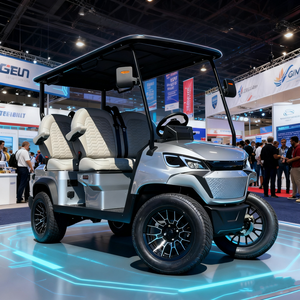
Equipped with 5KW/7.5KW AC drive motors, heavy-duty steel chassis, and commercial-grade alloy wheel rims built for long-life durability.
Contact Us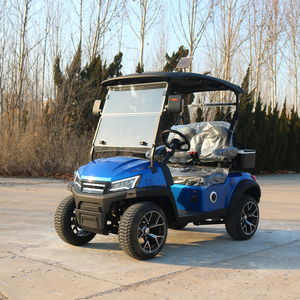
Street-ready passenger utility transport featuring lightweight flow-formed alloy wheels engineered for minimal rolling resistance.
Contact Us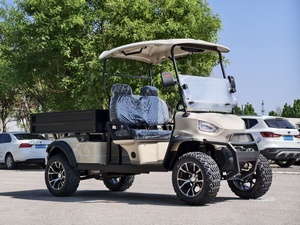
Designed for resort, farm, and beach application with aggressive off-road rim geometry, deep bead seats, and anti-corrosion coating.
Contact Us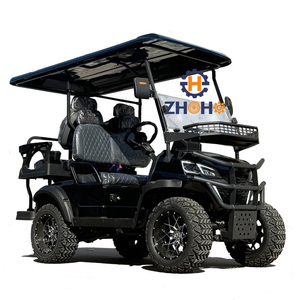
Premium low-speed vehicle platform supporting 48V/72V architectures, custom PCD fitments, and high-shine CNC-machined wheel faces.
Contact Us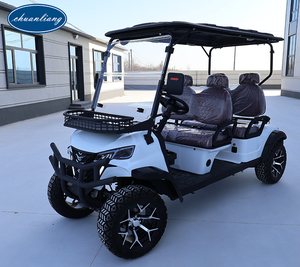
Engineered for commercial hospitality hubs, featuring balanced A356.2 aluminum cast wheel rims with optimized payload handling.
Contact Us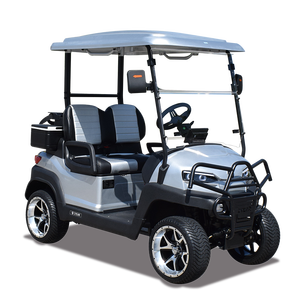
Includes low-profile performance turf tires paired with structural alloy rims engineered to eliminate radial runout and vibration.
Contact Us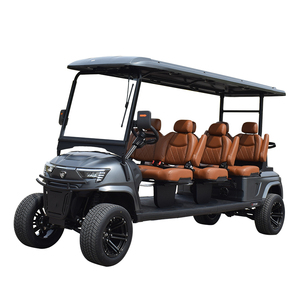
Heavy-capacity wheel hub and rim systems certified for multi-passenger commercial shuttles and high-frequency rental operations.
Contact Us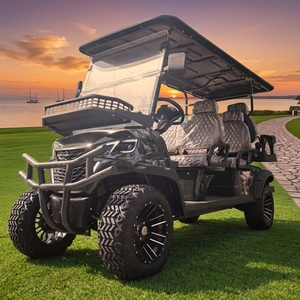
CE-certified 72V sightseeing vehicle featuring custom retro-style aluminum alloy wheel rims with high structural integrity.
Contact UsAs a global B2B procurement decision-maker, sourcing wheel rims and specialized vehicle wheel platforms requires a rigorous assessment of metallurgical composition, manufacturing processes, and quality control systems. In modern low-speed vehicles (LSVs), utility transport fleets, and commercial golf carts, wheel rims are not merely cosmetic components—they are safety-critical structural elements responsible for torque transmission, radial load support, and braking thermal dissipation.
Our manufacturing matrix leverages over 70 years of combined vehicle engineering experience. By integrating advanced Finite Element Analysis (FEA) at the initial CAD design phase, we optimize lug-nut seat geometry, spoke stress distribution, and offset positioning before casting or forging commences. This engineering-first ethos guarantees that every wheel rim shipped overseas withstands extreme dynamic cornering loads and high-impact force profiles.
Utilizing high-purity A356.2 primary aluminum alloy, LPDC eliminates subsurface air entrapment and micro-porosity. T6 heat treatment (solution heat treating followed by artificial aging) ensures tensile strengths exceeding 220 MPa and elongation yields that prevent brittle fracture under impact.
For applications demanding reduced unsprung weight without compromising structural yield, our Flow-Forming technology applies hydraulic rollers to spin the wheel barrel under heavy force. This alters the aluminum grain structure to match the strength profile of forged alloy at a competitive cost point.
Select the optimal wheel rim fabrication standard based on payload constraints, terrain severity, and operating budgetary metrics:
| Manufacturing Process | Material Specification | Tensile Strength (MPa) | Corrosion Resistance | Ideal Application |
|---|---|---|---|---|
| Gravity Die Casting | A356 Aluminum Alloy | 160 - 180 MPa | Standard Powder Coat (500hr Salt Spray) | Standard Duty / Fleet Rental Buggies |
| Low-Pressure Casting (LPDC) | A356.2 + T6 Heat Treat | 220 - 250 MPa | Multi-layer E-Coat + Clear (1000hr Salt Spray) | Commercial Resort & Utility Vehicles |
| Flow-Formed Aluminum | Refined Grain Alloy | 280 - 310 MPa | PVD Chrome & Anodized Options | High-Speed LSV & Performance Off-Road |
| 6061-T6 Forged Monoblock | Aerospace Grade Aluminum | 330 - 360+ MPa | Micro-Arc Oxidation (MAO) Marine Grade | Heavy Industrial & Extreme Duty Off-Road |
The global automotive rim market is undergoing a structural transition driven by commercial fleet electrification, stringent EU/US safety regulations, and environmental sustainability mandates. B2B importers and fleet managers must align procurement strategies with the following dominant market shifts:
As golf carts and neighborhood utility vehicles transition to high-capacity 173Ah lithium-ion power packs and 5KW/7.5KW high-torque motors, standard passenger cart wheel rims face significantly higher instantaneous rotational torque. Procurement managers must prioritize rims rated for higher static load indexes and reinforced spoke junctions to prevent metal fatigue around the lug holes.
Modern commercial resorts, municipal fleets, and large golf complexes require centralized telemetry data. Next-generation wheel rims are designed with integrated recessed valve stems and internal sensor cavity mounts designed specifically for real-time Tire Pressure Monitoring Systems (TPMS) and axle stress analysis.
In electric utility vehicles, aerodynamic drag plays a key role in battery depletion rates over long operating shifts. Aero-optimized wheel rim face geometries reduce micro-turbulences inside the wheel well, effectively extending vehicle operating range per charge cycle by up to 6.5% compared to open-spoke steel wheels.
ESG compliance guidelines in North America and Western Europe are driving buyers to demand verified low-carbon footprint manufacturing. Premium wheel rim exporters are adopting 100% closed-loop recycled aluminum scrap re-smelting and eco-friendly Physical Vapor Deposition (PVD) finishes to eliminate toxic hexavalent chromium waste.
Direct answers from our Senior Wheel Engineering & Global Supply Chain Team to streamline your OEM/ODM rim ordering process.
Pitch Circle Diameter (PCD), Center Bore (CB), and Offset (ET) are critical dimensions. PCD defines the bolt circle (e.g., 4x4 inch or 4x100mm). Center Bore ensures hub-centric mounting to eliminate hub wobble, while Offset (ET) determines whether the rim sits recessed or wide within the wheel arch. Our engineering team provides 3D STEP fitment drawings prior to production confirmation.
For standard 2-4 passenger golf carts, a load rating of 350 kg (770 lbs) per wheel rim is sufficient. However, for 6-8 passenger commercial shuttles or lifted utility vehicles carrying equipment, we mandate a minimum rating of 500 kg - 650 kg per wheel rim, compliant with SAE J2530 testing protocols.
Every production batch undergoes 100% inline X-ray inspection to detect internal void formation, followed by Dynamic Cornering Fatigue testing, Radial Impact testing, and helium mass spectrometer leak testing for tubeless rim designs.
We utilize an automotive-grade multi-stage powder coat system featuring a zinc-rich epoxy primer background followed by UV-stabilized topcoats. All rims destined for coastal resort applications pass rigorous 1,000-hour ASTM B117 salt spray corrosion chamber testing.
For existing catalog molds, our MOQ starts at 100 units per specification. For custom private-label OEM designs requiring dedicated mold tool development, the MOQ is 500 units, with tooling costs amortized into volume unit pricing.
Yes. Hub-centric designs transfer the vehicle load directly from the wheel hub to the rim center bore, reducing shear stress on wheel studs. Lug-centric rims rely solely on bolt tension, which can lead to stud shearing under high payload braking conditions.
Whether you require private-label custom wheel rim development, bulk replacement inventory for commercial utility fleets, or OEM platform engineering, our team delivers uncompromised quality backed by international certifications.
