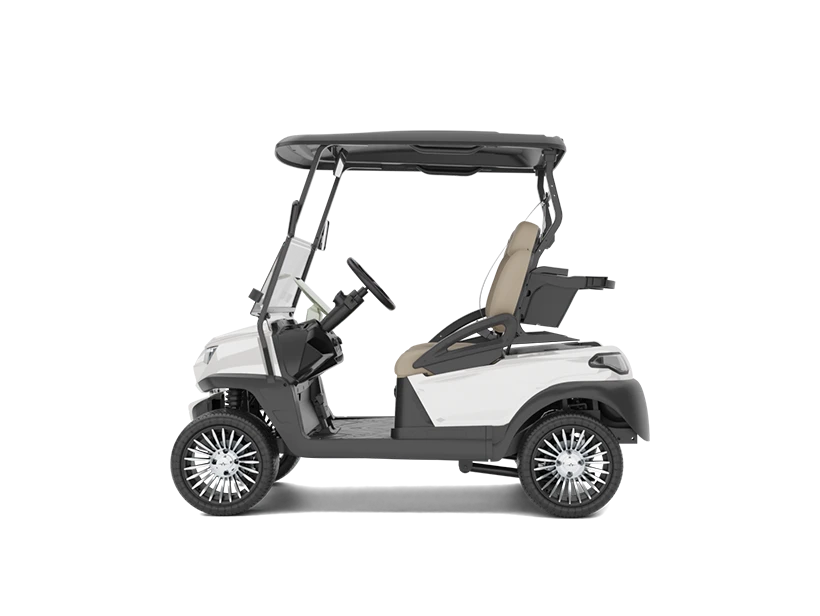
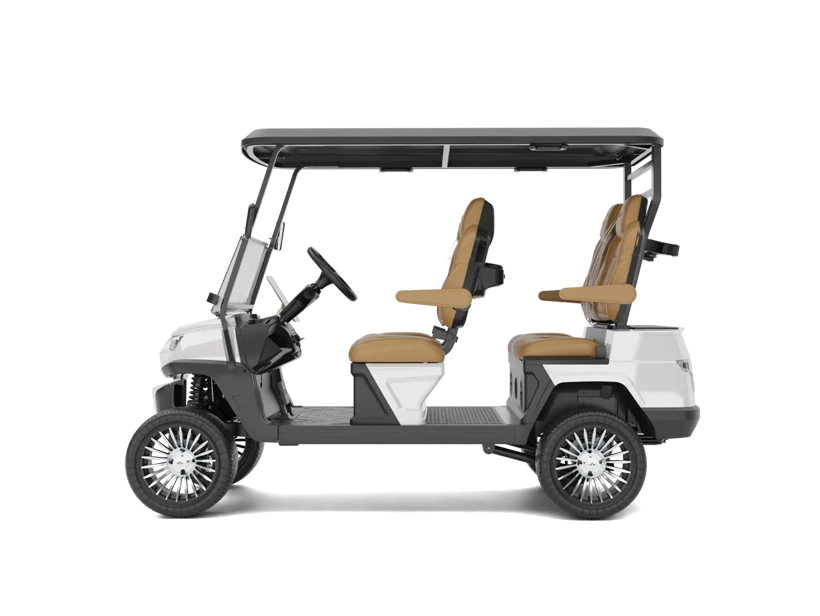
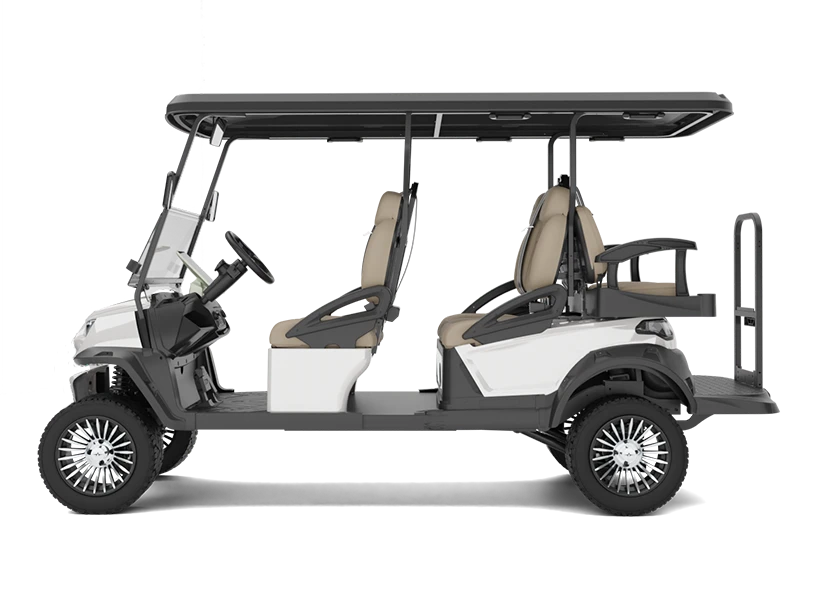
1. Standardisation of Independent Coil Over Shock Assemblies
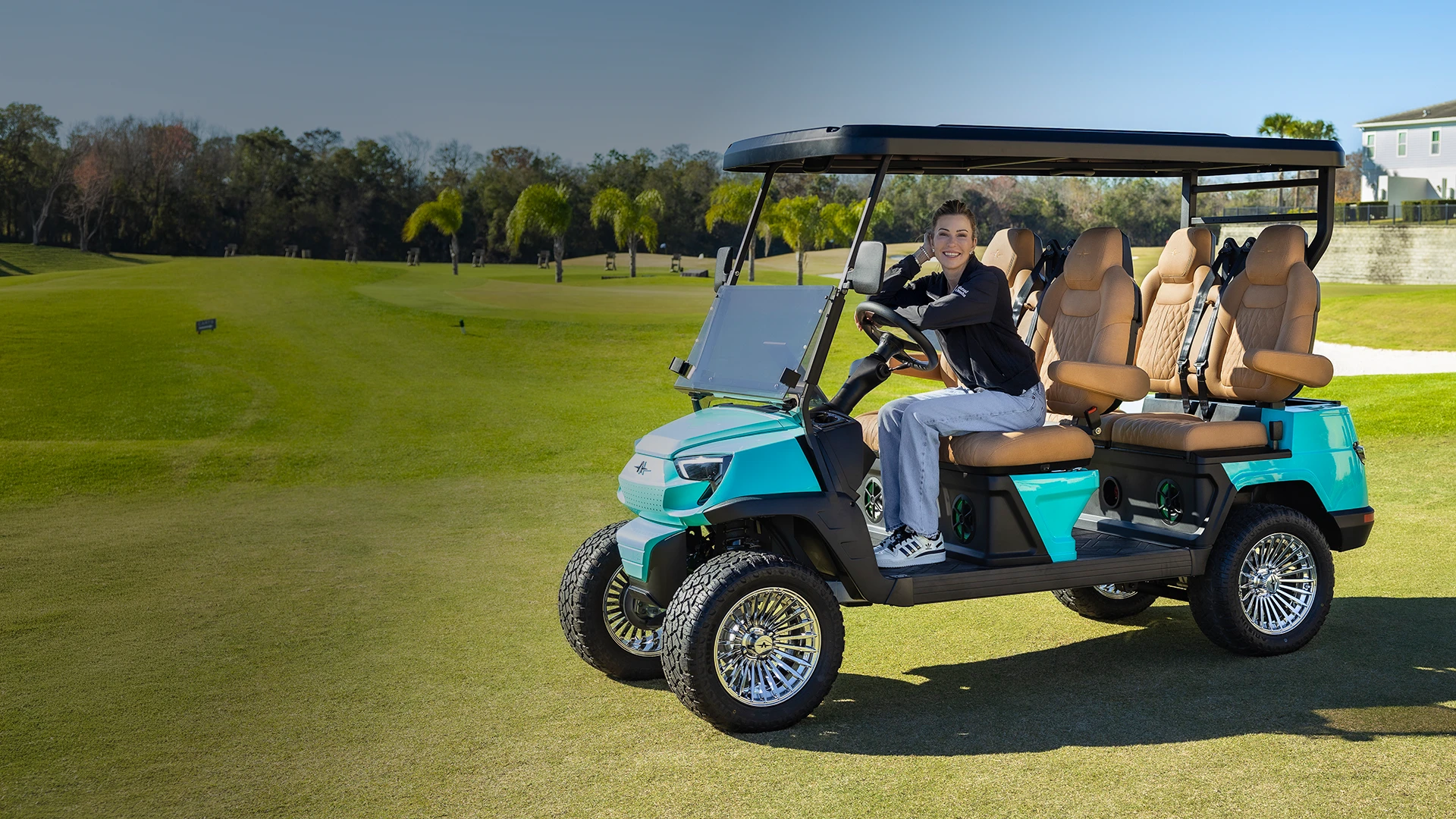
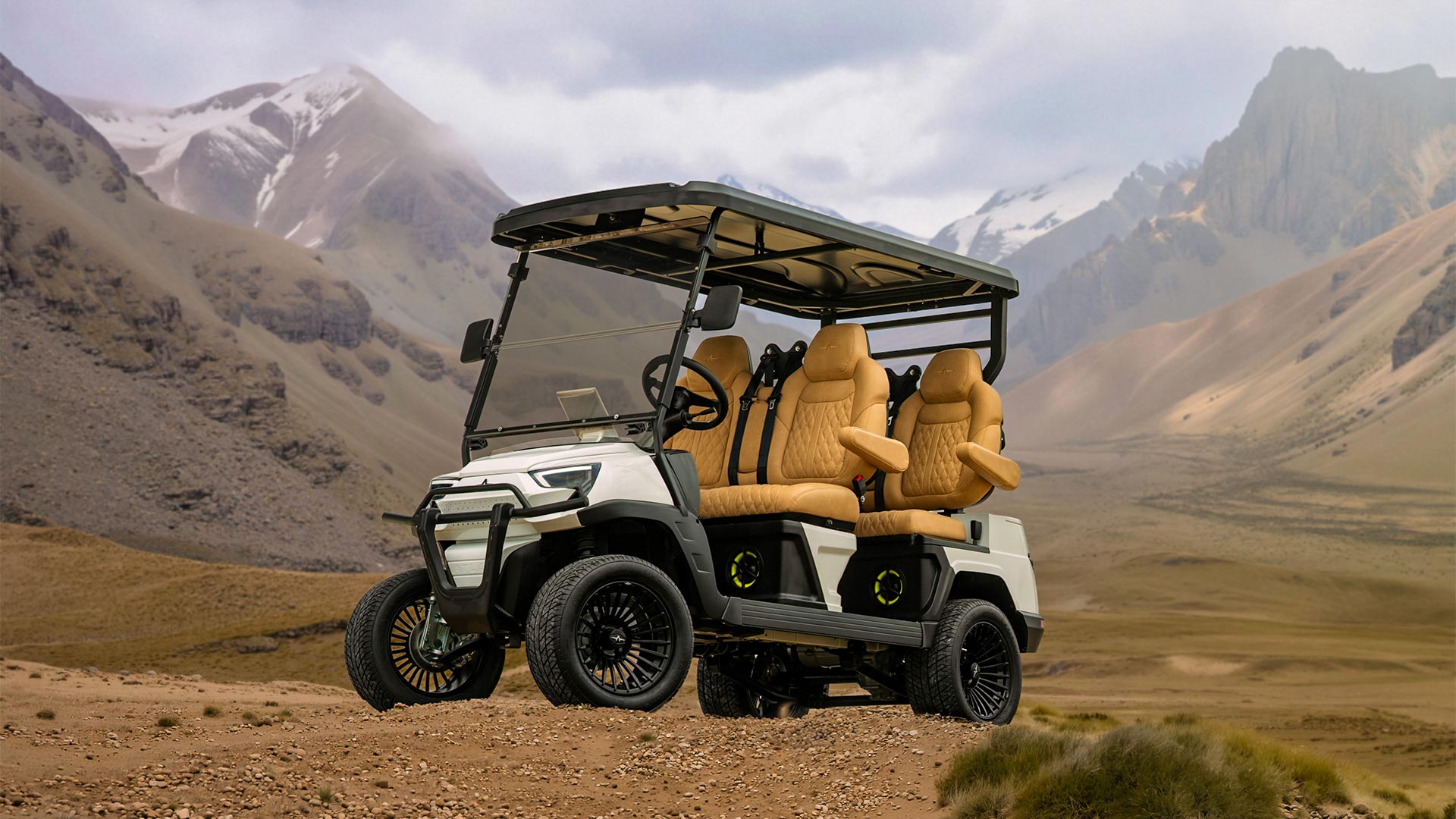
Over the next 3-5 years, leaf spring suspensions will be completely phased out of commercial low-speed vehicle fleets. Industry buyers are recognizing that the minimal upfront cost savings of leaf springs are negated by accelerated bushing deterioration, tire replacement costs, and safety liabilities due to vehicle roll instability. Coil over shock golf carts are rapidly becoming the required baseline in enterprise RFPs.
2. Co-Engineering Suspension with Large-Capacity Lithium Systems
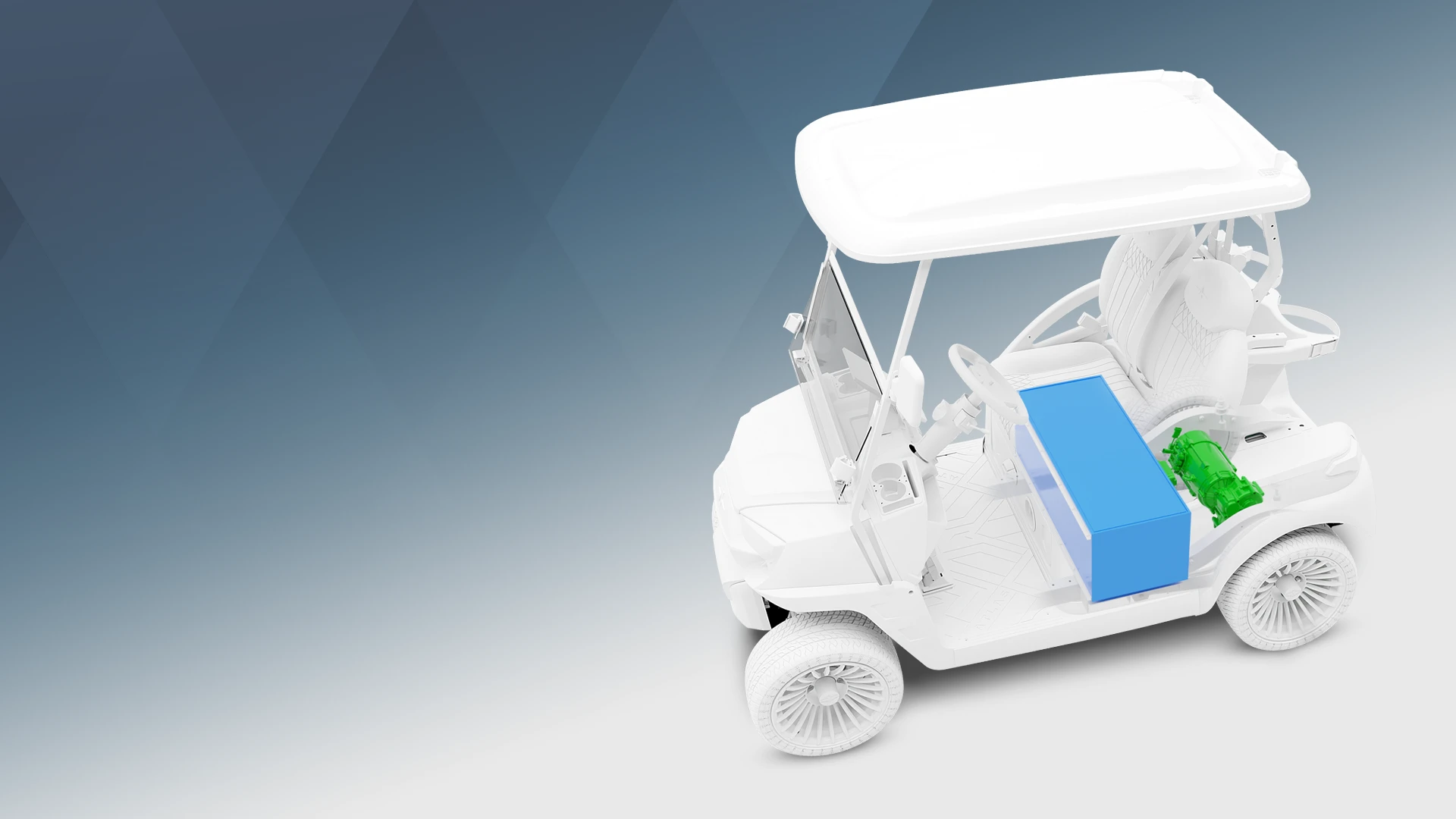
Traditional carts retrofitted with aftermarket lithium batteries frequently suffer from harsh, oversprung rides because standard leaf springs are calibrated for heavy lead-acid battery packs (over 300 lbs heavier). Modern electric golf carts require suspension systems engineered around lighter, dense lithium packs like the 173Ah Atlas system. Coil spring rates must be reduced while hydraulic dampening is increased to optimize chassis rebound.
3. Automotive-Grade Surface Coatings & Corrosion Immunity
With golf cart applications expanding into coastal resorts, island car rentals, and winterized HOA environments, shock absorber bodies are vulnerable to pitting and rust. The procurement standard is moving toward anodized aluminum damper bodies, chrome-plated hardened steel piston rods, and multi-layer electrostatic powder coating to ensure multi-year rust protection.
4. Telemetry-Integrated Suspension & Smart Chassis Controls
The convergence of digital displays like the Atlas 12.5-inch command center and electronic vehicle monitoring allows fleet directors to monitor chassis strain, battery output, and driver usage metrics in real time. Future developments will incorporate semi-active electronic shock valving adjusted directly through touchscreen software menus.