From high-drain UAV pouch cells to rack-mounted deep-cycle industrial storage, explore our specialized battery chemistry matrix built for harsh environments, intensive robotics, and critical back-up power.
The Greater Boston metropolitan area—spanning Kendall Square, the Route 128 Technology Corridor, the Seaport Innovation District, and the Marine Industrial Park—demands highly specialized battery pack architectures to power cutting-edge innovations.
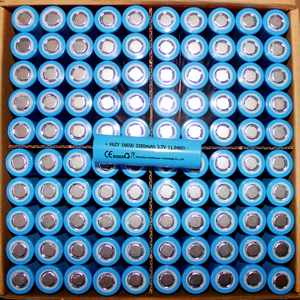
Boston's world-leading robotics ecosystem requires energy systems capable of high discharge rates, rapid opportunity charging, and thousands of duty cycles. Our custom NMC and LiFePO4 packs power automated warehouse fleets, AGVs, and field robotics operating throughout Massachusetts industrial parks, maintaining continuous voltage under high torque loads.
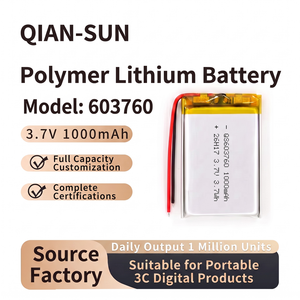
In Cambridge and Longwood Medical Area research hubs, compact form factors and uncompromised safety are vital. We engineer micro LiPo pouch batteries equipped with ultra-precise Battery Management Protection Circuits (PCMs). These power portable diagnostic monitors, smart lab tools, and wireless bio-telemetry sensors under strict compliance frameworks.
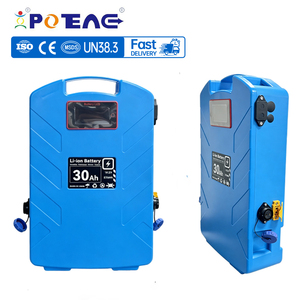
Deployments in Boston Harbor, Massachusetts Bay, and oceanographic institutions near Cape Cod demand IP67/IP68 submersible housings resilient to saltwater corrosion and extreme temperature gradients. Our customized LiFePO4 backpack and deep-cycle systems provide stable field power for autonomous underwater vehicles (AUVs) and marine survey rigs.
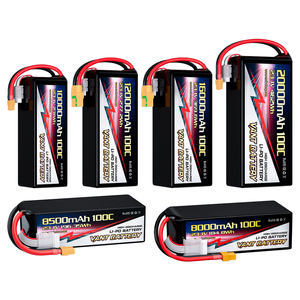
In partnership with defense contractors and aerospace research labs around Hanscom AFB, our factory manufactures High-Voltage LiHV (23.1V 6S) and Samsung 21700 smart drone packs. Delivering 100C burst discharge capabilities, these high-energy-density batteries maximize flight endurance and payload capacity in freezing New England altitudes.
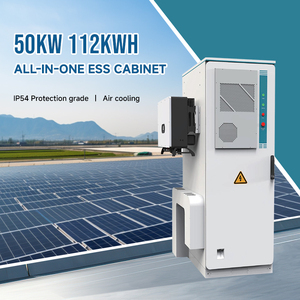
Aligning with Massachusetts decarbonization goals, our rack-mounted 51.2V 314Ah (100kWh+) deep-cycle battery systems empower commercial facilities in Worcester and MetroWest to perform peak shaving, renewable integration, and seamless emergency backup power during coastal storm outages.
Replacing high-maintenance lead-acid setups in resort communities, universities, and coastal towns like Nantucket and Martha’s Vineyard, our 173Ah standard energy platforms offer multi-day range, zero watering maintenance, and complete immunity to battery acid corrosion.
As Massachusetts advances its ambitious 2030 Clean Energy and Climate Plan (CECP) targeting net-zero carbon emissions, key technological transitions are redefining regional battery procurement criteria for enterprise buyers.
Commercial fleet managers, university campuses (Harvard, MIT, BU), and municipal operations across Greater Boston are rapidly phasing out legacy flooded lead-acid batteries. The harsh local climate accelerates acid sulfation and terminal corrosion. High-capacity LiFePO4 packs (such as our 173Ah and 314Ah series) eliminate routine watering overhead, deliver 3,500+ deep cycles, and retain over 80% capacity during cold New England winters.
Boston experiences severe winter freeze cycles with ambient temperatures dropping below -15°C. Charging conventional lithium-ion cells at sub-zero temperatures runs the risk of lithium plating, internal short-circuiting, and permanent cell capacity loss. Modern Boston OEMs mandate custom BMS architectures integrated with PTC internal heating elements and silicone heating wraps. These automatically precondition cell packs to safe charging temperatures (+5°C) prior to current intake.
With Boston serving as an innovation epicenter for climate tech incubators like Greentown Labs, hardware startups demand smart battery telemetry. Battery packs are no longer passive energy vessels; they are networked nodes. Our factory equips custom assemblies with active cell balancing BMS board designs supporting real-time CANbus 2.0B, SMBus, or RS485 data output for instant telemetry monitoring on external control screens.
Rooted in over 70 years of combined engineering expertise, our production facilities bridge the gap between initial electrochemical design and full-scale factory mass assembly.
We build custom packs using only grade-A cells from top-tier cell manufacturers (Samsung SDI, CATL, LG Energy Solution) and certified precision pouch lines. Every cell undergoes automated internal resistance (IR) testing, capacity grading, and voltage matching before joining a matrix.
Our surface-mount technology (SMT) lines fabricate custom BMS electronics fitted with hardware thermal cutoffs, MOS over-current logic, and active cell balancing circuitry. Firmware can be programmed to match custom OEM microcontrollers.
To eliminate high-resistance micro-joints and joint failure under vibration, our factory utilizes automated fiber-laser welding systems for pure copper and nickel-plated busbars, ensuring maximum electrical conductivity and structural strength.
Packs engineered for Boston industrial buyers are tested against severe mechanical stress, thermal shock cycles (-40°C to +85°C), UN38.3 vibration profiles, and drop impacts to prevent field failure in rugged operating environments.
From aluminum extrusion casings for industrial machinery to shock-resistant ABS/PC tool housings and IP67 waterproof marine boxes, our structural CAD designers craft housings optimized for thermal dissipation and minimal weight.
All battery assemblies engineered in our facility can be fully certified under UN 38.3, UL 1642, UL 1973, UL 2580, CE, and IEC 62133, streamlining smooth customs clearance through the Port of Boston and cargo terminals at Boston Logan International Airport.
Select the optimal energy storage chemistry for your Boston engineering project using our comprehensive performance matrix.
| Chemistry Type | Nominal Cell Voltage | Energy Density (Wh/kg) | Cycle Life (80% DoD) | Operating Temp Range | Thermal Safety Profile | Primary Boston Industry Application |
|---|---|---|---|---|---|---|
| LiFePO4 (Lithium Iron Phosphate) | 3.2V / Cell | 140 - 180 Wh/kg | 3,500 - 6,000 Cycles | -20°C to +65°C | Highest (Thermal Runaway > 270°C) | Industrial AMRs, Commercial ESS, Golf/LSV Carts, Marine Telemetry |
| NMC 18650 / 21700 (Nickel Manganese Cobalt) | 3.6V - 3.7V / Cell | 220 - 270 Wh/kg | 800 - 1,500 Cycles | -20°C to +60°C | Moderate (Requires Advanced BMS) | High-Drain Power Tools, Portable Medical Tech, AGV Traction Systems |
| LiHV (High-Voltage Lithium Polymer) | 3.85V / Cell (4.35V Peak) | 250 - 300 Wh/kg | 300 - 600 Cycles | -10°C to +50°C | Strict Temperature Controls Required | Defense UAV Flight Payloads, High-Speed Drones, Aerial Surveying |
| LiPo Pouch (Standard Lithium Polymer) | 3.7V / Cell | 180 - 230 Wh/kg | 500 - 800 Cycles | -10°C to +55°C | PCM Integrated Protection Standard | Biotech Diagnostic Devices, Smart Sensors, Compact Wearables |
| Flooded Lead-Acid (Legacy Comparison) | 2.0V / Cell | 30 - 45 Wh/kg | 300 - 500 Cycles | -10°C to +45°C | Acid Spills & Hydrogen Gas Risks | Legacy Golf Carts & Obsolete Backup Systems (Phasing Out) |
Everything procurement directors, OEM design engineers, and fleet managers in Massachusetts need to know about custom lithium manufacturing and supply chain logistics.
We engineer specialized sub-zero packs equipped with integrated PTC heating elements and customized Low-Temperature Charge Cutoff BMS logic. When plugged in under sub-zero conditions (-20°C), the system routes initial charging power to internal heating wraps, warming cells to a safe +5°C threshold before enabling current intake, completely preventing damaging lithium plating.
All factory shipments are UN38.3 certified and packaged in accordance with DOT Class 9 Dangerous Goods regulations. We provide complete dangerous goods documentation, UN-approved wooden/cardboard crate packaging, and seamless customs clearing through the Port of Boston or Boston Logan Air Cargo hubs directly to your facility receiving dock.
Yes. Our electronics engineers design custom SMT BMS boards supporting CANbus 2.0B, SMBus, RS485, and Modbus TCP protocols. We can program custom register layouts, baud rates, and telemetry output strings to interface seamlessly with your proprietary robotic controllers, motor drives, or IoT remote gateways.
Depending on target market demands, our factory builds packs compliant with UL 1642 (cell safety), UL 1973 (stationary ESS), UL 2580 (EV batteries), IEC 62133, CE, and UN 38.3 transportation safety standard requirements. Full test reports can be supplied during the prototype review phase.
For custom engineering prototypes (including 3D CAD enclosure design, sample BMS fabrication, and pack spot welding), our standard New Product Introduction (NPI) turnaround is typically 3 to 4 weeks. Once sample validation is approved by your team, mass production delivery schedules are established based on volume.
We back our production with long-term industrial warranties—including up to 10 years on select LiFePO4 energy storage systems and 3 years comprehensive warranty on standard custom packs. Dedicated technical sales engineers provide direct support for firmware updates, diagnostic reviews, and rapid component replacements.
Whether you need high-drain 100C drone pouch packs, custom robotics NMC modules, or megawatt-scale rack-mounted LiFePO4 energy storage systems in Greater Boston, our engineering team is ready to accelerate your hardware roadmap.
